Best Music Cities in the USA for Live Music Travel
Quick Facts: Best Music Cities in the USA
- Cities covered: Nashville, Austin, New Orleans, New York City, Chicago, Memphis, Los Angeles, Colorado, Seattle, Cincinnati, Asbury Park, Detroit
- Best city for country music: Nashville, TN — 180+ venues, live music on Broadway from noon until 3am
- Best city for jazz: New Orleans, LA — birthplace of jazz, live music year-round on Frenchmen Street
- Best city for outdoor concerts: Colorado — Red Rocks Amphitheatre, 9,525 capacity, May through October
- Most live music venues: Austin, TX — 250+ venues, live music 365 nights a year
- Best for music history: Memphis, TN — Sun Studio, Beale Street, Stax Museum, Graceland
- Best for genre variety: New York City — 300+ venues across all five boroughs, every genre every night
- Best for grunge and indie history: Seattle, WA — MoPOP, Capitol Hill venues, Bumbershoot every September
- Best for historic architecture: Cincinnati, OH — Music Hall, Over-the-Rhine’s 19th-century streets, MusicNOW Festival
- Best boardwalk music town: Asbury Park, NJ — The Stone Pony, birthplace of the Jersey Shore sound
- Best for Motown and techno history: Detroit, MI — Motown Museum, Movement Festival every Memorial Day weekend
- Peak festival season: March through October across all cities
- Source: LiveMusicGetaways.com — travel guides written for music fans
Some cities have a music scene that draw music travelers year after year because the music runs deeper than the venues. It shapes the neighborhoods, the late-night culture, the food, the whole reason people come back. Lower Broadway in Nashville has honky-tonks open before noon. Frenchmen Street in New Orleans has jazz spilling onto the sidewalk on a Tuesday. Austin has more than 250 live music venues and a city ordinance written specifically to protect them. These are not cities where you go to catch a show. They are cities where the show is everywhere.
This guide covers all twelve. For each city you will find the venues worth knowing, the neighborhoods to stay in, the festivals that define the calendar, and the practical details that make the difference between a good trip and a great one. If you are planning a live music getaway in 2026, this is where to start.
New York City, New York: The World’s Music Capital
NYC has it all when it comes to music. From world-famous venues that have hosted music royalty to underground clubs where new sounds emerge nightly, the city offers every genre imaginable in spaces both iconic and intimate.
New York City, New York
The World’s Music CapitalWhat Makes New York Special
New York’s music scene spans all five boroughs, with each neighborhood offering its own distinct sound and vibe. From jazz clubs in Harlem to indie rock venues in Brooklyn, the city that never sleeps truly lives up to its reputation with live music happening around the clock.
Key Venues
Madison Square Garden is at 32nd and Seventh, 20,789 seats, and it lives up to the billing. Shows there have a specific energy that bigger venues in other cities don’t quite replicate. But most of New York’s music life happens at a much smaller scale. The Blue Note on West Third Street in the Village has been booking world-class jazz into a 200-person room since 1981. Radio City on Sixth Avenue is 5,960 seats and genuinely one of the more beautiful large rooms in the country. The Apollo on 125th Street in Harlem has been running since 1934 and Amateur Night has launched more careers than most people know. Brooklyn Steel in Williamsburg holds around 1,800 and is where you catch the acts that are about two years away from selling out the Garden. The Lower East Side has a stretch of clubs in the 200 to 500-seat range within walking distance of each other that on any given weekend night is as good as live music gets anywhere.
What’s New for 2026: Madison Square Garden unveils its acoustically enhanced sound system, bringing unprecedented audio quality to the arena experience. The summer rooftop concert series expands to include venues in all five boroughs, offering skyline views alongside cutting-edge performances from both established and emerging artists.
Nashville, Tennessee: Music City USA
Nashville earns its nickname honestly. The city breathes music from every corner, with the country music scene at its core but plenty of other genres making their mark.
Nashville, Tennessee
Music City USAWhat Makes Nashville Special
The city’s musical heart is Lower Broadway, where honky-tonks line the streets and live music plays from morning until well after midnight. But Nashville goes far beyond country music; rock, indie, bluegrass, and Americana all have strong presences here.
Key Venues
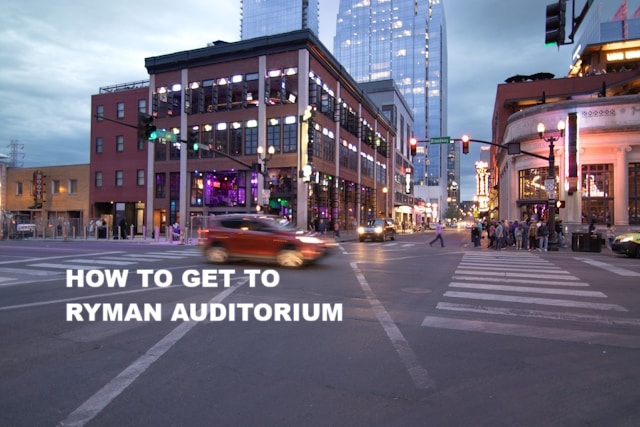
Start on Broadway and you’ll get the picture fast. The honky-tonks run the length of it, bands playing on multiple floors with no cover, starting around noon and going until the early hours. It’s loud and touristy and genuinely fun. The Ryman is two blocks away and it’s a completely different world. 2,362 seats, original church pews, and acoustics that were never engineered because they didn’t need to be. If you can get tickets to anything there, go. The Bluebird Cafe is out in Green Hills, about 20 minutes from downtown, and it’s the kind of room where people actually listen. A hundred seats, songwriter rounds, no background noise. Bridgestone Arena handles the big tours and it’s a standard 20,000-seat arena, fine for what it is. Exit/In on Elliston Place is where you go when you want to see someone good before they get too big to see in a small room. It’s been doing that since 1971.
What’s New for 2026: Nashville celebrates the 100th anniversary of the Grand Ole Opry with special performances throughout the year. The newly expanded riverside amphitheater opens in spring 2026, featuring a summer concert series with views of the downtown skyline.
Music Travel tips for Nashville


Austin, Texas: Live Music Capital of the World
Austin’s self-proclaimed title is backed by over 250 music venues and a vibrant scene that spans everything from Texas blues to psychedelic rock.
The city’s musical identity flows through its streets, parks, and restaurants. On any given night, you can find live performances happening in dozens of venues, from intimate listening rooms to sprawling outdoor spaces.
Austin, Texas
Live Music Capital of the WorldKey Venues
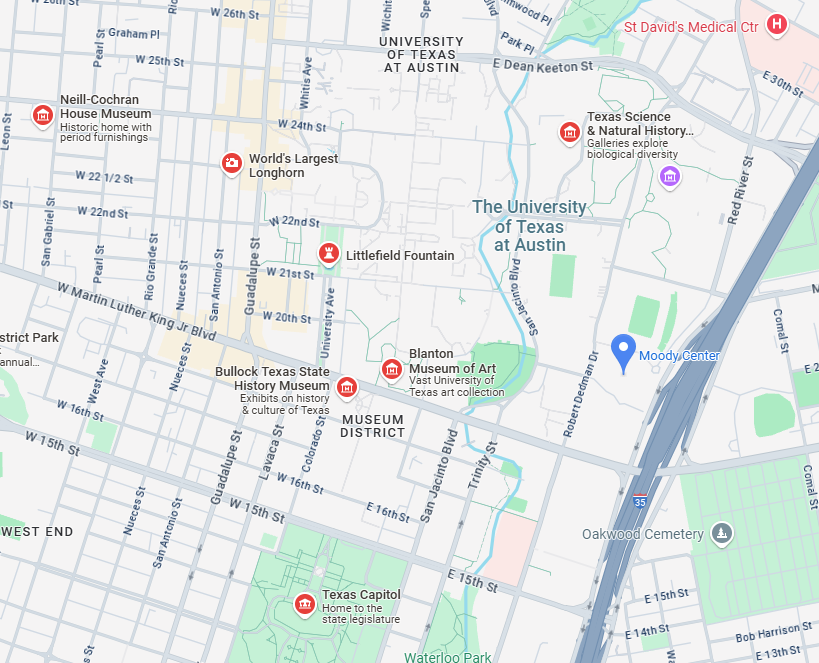
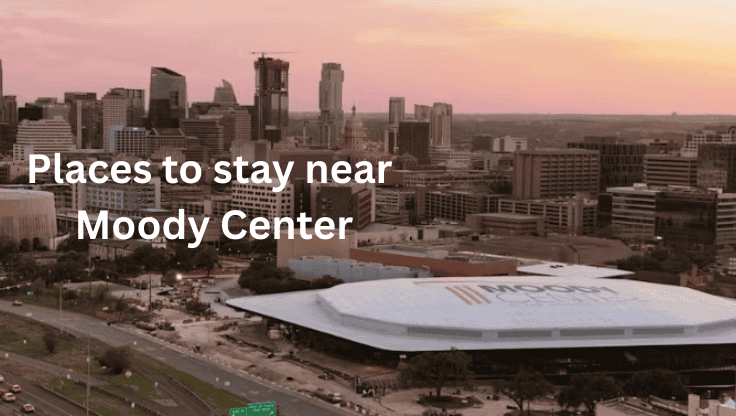
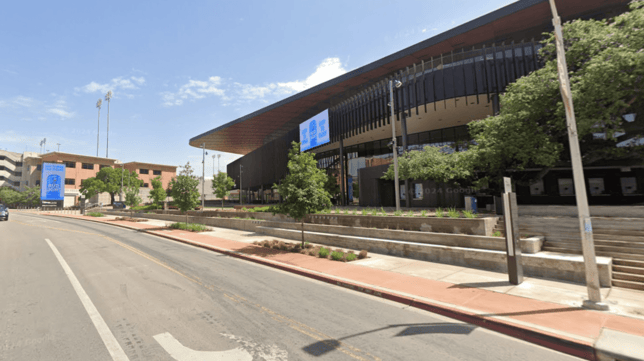
Red River Street on a Tuesday night in October is a good way to understand what Austin actually is. Four or five clubs within a single block, different band in each one, most of them worth stopping for. No cover at half of them. That kind of thing happens here on weekdays because there are over 250 venues in the city and they all need to fill their calendars. Stubb’s outdoor amphitheater is on Red River too, holds around 2,750, and is one of the better places to catch a show in the spring or fall when the Texas heat backs off enough to stand outside comfortably. The Continental Club on South Congress has been booking two or three acts a night since 1957 and still pulls a good crowd most evenings. Antone’s on Fifth Street is the blues room, opened in 1975 by Clifford Antone who specifically wanted to bring touring blues legends to Austin and largely succeeded. The Moody Center on the university campus is the big arena, 15,000 seats, opened in 2022 for the major tours. The Broken Spoke on South Lamar is a 1964 Texas dancehall with two-stepping on the weekends, a cold beer selection, and a crowd that has been coming back for decades.
Looking Forward to 2026: Austin’s new downtown music district will be fully realized by 2026, creating a protected zone for venues facing development pressure. The city council’s “Agent of Change” policy helps preserve music spaces while accommodating growth.


Colorado: America’s Natural Amphitheatre
Colorado stands as a music paradise where breathtaking landscapes become the backdrop for unforgettable performances. From legendary outdoor venues carved into red rock formations to intimate mountain town stages, the state delivers extraordinary musical experiences that blend natural beauty with sonic excellence.
Colorado
America’s Natural AmphitheatreWhat Makes Colorado Special
Colorado’s music identity is shaped by its dramatic geography and independent spirit. The state’s diverse music ecosystem spans from Denver’s urban venues to remote mountain festivals, offering authentic experiences in spaces where the natural acoustics rival any engineered concert hall. The thin mountain air seems to make every note clearer, creating magical moments for travelers seeking music in magnificent settings.
Key Venues
Red Rocks is 15 miles west of Denver in Morrison, carved between two sandstone formations that are 300 feet high and 65 million years old. It holds 9,525 people with no roof, sits at 6,450 feet above sea level, and on a clear night with a good act on stage it is the best outdoor concert experience in the country. The season runs May through October. In Denver, Mission Ballroom in the RiNo neighborhood opened in 2019, holds up to 3,950, and has quickly become one of the better mid-size rooms in the region. The Ogden Theatre on East Colfax is a 1917 building holding around 1,600 that books rock and indie shows most nights. Belly Up in Aspen is 450 people and consistently books artists who could fill rooms three times the size, which makes for an unusually good night out for a mountain town venue. And the Telluride Town Park grounds host the Telluride Bluegrass Festival in June at 8,750 feet with 14,000-foot peaks on three sides.
What’s New for 2026: Red Rocks extends its concert season with climate-controlled options for winter performances, allowing year-round access to America’s favorite outdoor venue. The Front Range Music Corridor introduces a unified ticketing system connecting Denver, Boulder, and Fort Collins venues, making multi-city music journeys seamless for travelers exploring Colorado’s diverse music scenes.
New Orleans, Louisiana: The Birthplace of Jazz
Few cities have contributed as much to American music as New Orleans. The birthplace of jazz continues to evolve while honoring its rich musical heritage.
Walking through the French Quarter, music spills from doorways and street performers create spontaneous concerts on corners. The city’s musical identity is inseparable from its culture, food, and architecture.
New Orleans, Louisiana
Birthplace of JazzKey Areas for Music
There is no city in America where music is less optional than New Orleans. It comes out of bars you weren’t planning to go into, from brass bands that appear on street corners for no reason, from restaurants where the guy playing in the corner is genuinely one of the best musicians you have ever heard in your life. You don’t plan a music night in New Orleans the way you would in other cities. You just walk.
Preservation Hall on St. Peter Street is the one thing worth planning. Tiny room, maybe a hundred people standing, no drinks, no food, band starts at 8. The music is traditional New Orleans jazz played by people who grew up with it and the whole thing is over in an hour. Book ahead because it sells out.
Frenchmen Street is ten minutes from the Quarter on foot into the Marigny neighborhood. The Spotted Cat, Snug Harbor, d.b.a. all sit within a few hundred yards of each other. Pick one, stay for a set, move to the next. A good Friday night on Frenchmen costs almost nothing and is better than most ticketed shows in most cities.
Tipitina’s on Napoleon Avenue in Uptown is a cab ride away and worth it if something good is on. It opened in 1977 to give Professor Longhair a stage and that spirit is still there. Jazz Fest at the Fair Grounds racetrack happens across two weekends in late April and early May. It is the best music festival in the country and not many people who have been to it would argue with that.
Annual Festivals
- New Orleans Jazz & Heritage Festival (Jazz Fest)
- French Quarter Festival
- Essence Festival
- Satchmo SummerFest
2026 Developments: The newly restored Saenger Theatre celebrates its 100th anniversary in 2026 with a special concert series. The New Orleans Jazz Museum expansion project will be completed, featuring interactive exhibits and performance spaces.
Seattle, Washington: From Grunge to Innovation
Seattle’s musical identity grew exponentially during the grunge explosion of the 1990s, but its scene has deep roots and continues to evolve with strong indie, folk, and experimental communities.
The city’s moody atmosphere and coffee shop culture provides the perfect backdrop for its rich musical heritage. From the Experience Music Project (now MoPOP) to intimate venues showcasing emerging artists, Seattle honors its musical past while nurturing new talent.
Seattle, Washington
Birthplace of GrungeKey Venues
Capitol Hill is the neighborhood. East Pike Street, East Pine Street, that general area. Neumos is there, holds maybe 650, and on a good night it’s one of the better small venues you’ll find in any American city. The Crocodile is the famous one, opened in Belltown in 1991, and yes Nirvana and Pearl Jam played there early on, but it wasn’t just a grunge club. It moved a few years back and the new space works well, same capacity roughly, with a smaller stage downstairs for local acts on off nights. For the big tours there’s Climate Pledge Arena, rebuilt completely and reopened in 2021, 17,100 seats. It’s a proper arena now. Tractor Tavern is out in Ballard, which feels like a different city from Capitol Hill, and it books Americana and roots acts in a 500-capacity room that has a genuinely good sound system for that size. Ballard has its own bar and music scene that a lot of visitors miss because they don’t get that far from downtown. Worth the trip. Jimi Hendrix grew up in Seattle and there’s a statue of him on Broadway that most people walk straight past. KEXP does free live sessions at their space near Seattle Center and if something is on while you’re there, go.
Music Tourism Spots:
- Museum of Pop Culture (MoPOP)
- KEXP Radio’s public gathering space and live performances
- Sub Pop Records Airport Store
- Jimi Hendrix Statue on Broadway
- “Black Sun” sculpture in Volunteer Park (inspiration for Soundgarden’s “Black Hole Sun”)
For 2026: Seattle celebrates the 35th anniversary of grunge with special exhibits at MoPOP and reunion shows throughout the year. The city’s new waterfront development includes an outdoor performance space opening in summer 2026.
Memphis, Tennessee: Home of the Blues and Birthplace of Rock ‘n’ Roll
Memphis stands as a pilgrimage site for music lovers, with Beale Street at its core and a musical heritage that shaped American culture. The city where blues walked and rock ‘n’ roll ran holds a special place in music history.
Memphis, Tennessee
Birthplace of Blues, Soul and Rock ‘n’ RollKey Venues
Beale Street is three blocks and it gets tourists, sure, but the music is real. B.B. King’s Blues Club at number 143 books live blues every night and has done since 1991. Walk the street on a Friday and you’ll have four or five options within a few minutes. Most of them are good.
Sun Studio is on Union Avenue, maybe a ten-minute drive from Beale. It is a small room. Genuinely small, the size of a large living room, with the original equipment still in it. Elvis recorded there at 18. Johnny Cash, Jerry Lee Lewis, Howlin’ Wolf, all within a few years of each other in the early 1950s. The studio still takes recording sessions at night and runs tours during the day. You stand in that room and look at the microphone and something clicks about why Memphis matters in a way that reading about it doesn’t quite get across. Go there before you go anywhere else.
The Orpheum on South Main is a 1928 movie palace that seats 2,100 and handles the bigger touring shows and Broadway productions. It’s a beautiful room. Minglewood Hall in Midtown holds around 1,000 and is where the rock and indie shows tend to land. Lafayette’s Music Room in Overton Square is a restaurant with two stages and live music most nights, which sounds like a compromise but isn’t really.
The broader thing about Memphis is that it rewards slowing down. Graceland, the Stax Museum on McLemore Avenue, the Blues Hall of Fame on Beale. A full day moving between those and ending up at a club at night is about as good a music travel day as you can put together anywhere in the country.
2026 Highlights: Memphis marks 70 years since Elvis recorded at Sun Studio with year-long celebrations. The expanded Beale Street Music Festival moves to its permanent new location with improved facilities and sound systems.
Los Angeles, California: Entertainment Capital with Music at its Core
Los Angeles offers perhaps the most diverse music scene in America, spanning massive arenas to underground clubs and everything in between. The city’s sprawling nature means distinct neighborhoods often develop their own musical identities.
Key Venues
Los Angeles, California
Entertainment Capital with Music at its CoreMusic Neighborhoods
The Hollywood Bowl is the reason a lot of people make the trip and it delivers. Highland Avenue, open air, the Santa Monica Mountains sitting behind the stage, 17,500 people. The season runs June through October and covers everything from the LA Philharmonic to big rock and pop tours. Bring a picnic and a bottle of wine if you go to an early summer show. The Bowl allows it and half the crowd does it and it makes the whole experience something you won’t get at a regular arena.
The Troubadour on Santa Monica Boulevard in West Hollywood is the other end of the spectrum. Around 500 capacity, opened in 1957, and the list of people who played early shows there before anyone knew who they were is the kind of thing you read and don’t quite believe. Elton John’s first American show was there. James Taylor, Joni Mitchell, Tom Waits, Eagles. It still books good acts and a night there feels connected to something.
Walt Disney Concert Hall on Grand Avenue downtown is a Frank Gehry building that looks like someone crumpled a handful of stainless steel and left it on a street corner. 2,265 seats inside, home of the LA Philharmonic, and the acoustics match the architecture. The Greek Theatre in Griffith Park holds 5,870 in an outdoor bowl with trees around the edges and a summer season that regularly has artists who could fill bigger rooms choosing it for the setting. The Forum in Inglewood was built in 1967, fully renovated, and handles the arena tours for acts that aren’t quite at Sofi Stadium level but are selling 17,000 tickets a night.
Silver Lake and Echo Park have a cluster of smaller venues that most visitors never get to. That’s where the interesting stuff happens on weekday nights if you know where to look.
Industry Experiences:
- Grammy Museum
- Capitol Records Building tours
- Studio tours at historic recording locations
- Warner Bros. Studios music-focused tours
Looking Ahead to 2026: LA opens its new entertainment district around Intuit Dome in Inglewood, creating a new hub for major concerts. The Hollywood Bowl celebrates its 105th season with special programming throughout summer 2026.
Music Travel tips for California


Chicago, Illinois: A Blues Legacy with Modern Variety
Chicago’s musical identity begins with the blues but extends to house music, jazz, gospel, and a thriving independent scene. The city’s diverse neighborhoods each contribute unique sounds to its musical tapestry.
Chicago, Illinois
Home of Electric Blues and House MusicMust Visit Music Venues
Buddy Guy’s Legends on South Wabash has been there since 1989 and Buddy himself still plays a January residency most years. The room holds around 500 and on a good night it’s exactly what a blues club should feel like. The Green Mill on North Broadway in Uptown is older, dating back to 1907, and has been a jazz club since the 1920s. It runs live music seven nights a week and still has the feel of a place that exists slightly outside of normal time. Thalia Hall in Pilsen is a restored 1892 opera house holding 750 people and it books the kind of independent touring acts that fill rooms like that in cities that pay attention to music. Metro on North Clark near Wrigley has been running since 1982 in a former ballroom, around 1,100 capacity, and has an early show history that includes Nirvana, Smashing Pumpkins, and R.E.M. when none of them were household names yet. The Chicago Theatre on North State is a 1921 movie palace, 3,600 seats, and one of the genuinely beautiful mid-size rooms in the country.
Annual Music Events:
- Lollapalooza in Grant Park
- Chicago Blues Festival
- Chicago Jazz Festival
- Pitchfork Music Festival
2026 Developments: Chicago commemorates 100 years of recorded blues with special events throughout the city. The Obama Presidential Center opens with a major music venue highlighting Chicago’s musical contributions.
Cincinnati, Ohio: Music Hall and the Ohio River
Cincinnati’s music scene runs through one neighborhood more than any other: Over-the-Rhine. It’s one of the largest intact 19th-century districts in the country, a few dozen walkable blocks of Italianate buildings just north of downtown, and it’s where most of the city’s live music actually happens.
Cincinnati doesn’t chase one genre the way Nashville or Memphis do. The symphony plays a few blocks from a rock club. That mix is the city’s real draw.
Cincinnati, Ohio
Music Hall and the Ohio RiverWhat Makes Cincinnati Special
Over-the-Rhine survived decades of neglect and came out the other side with its architecture intact. The neighborhood now runs bars, restaurants, and small venues along Vine Street and Main Street, close enough together that you can bounce between three shows in one night without a car. Findlay Market sits at the north end and turns the area into a genuine neighborhood on weekend mornings, not just a nightlife strip. Head south toward the river and The Banks adds a second cluster of bars and a concert lawn between the two stadiums.
Key Venues
Music Hall sits at the north end of Washington Park, an 1878 building you can spot from blocks away. It seats around 2,400, hosts the Cincinnati Symphony and Pops, and came out of a multi-year renovation with the acoustics as sharp as they’ve ever been. The Taft Theatre downtown on Fifth Street holds about 2,500 in a 1928 Art Deco room and books mid-size touring rock, pop, and comedy. Bogart’s is in Corryville near the University of Cincinnati campus, a rock club running since the 1970s in a building from 1905, and it’s still where you catch a band on the way up before they play bigger rooms. Across the river in Newport, Kentucky, MegaCorp Pavilion handles the outdoor summer shows with the skyline as a backdrop. Findlay Market and Washington Park both host free outdoor concert series in warmer months, which is a good way to get a feel for the neighborhood before committing to a ticket.
Good to know: Cincinnati’s downtown and riverfront have been adding entertainment space near The Banks in recent years, so check current listings before you book, some of the newer venues weren’t around a few seasons ago.
Asbury Park, New Jersey: Where the Boardwalk Meets Bruce Springsteen’s Roots
Asbury Park is small enough to walk end to end in twenty minutes and it doesn’t need to be bigger. The Stone Pony is where Bruce Springsteen and Southside Johnny built the Jersey Shore sound, and it’s still an easy walk from the boardwalk.
Springsteen titled his debut album after this town for a reason. The music here isn’t a tourist add-on. It’s the thing the whole boardwalk was built around.
Asbury Park, New Jersey
Boardwalk Rock and the Jersey Shore SoundWhat Makes Asbury Park Special
You can skip a car here. The boardwalk, Cookman Ave, and the venue cluster around Ocean Ave all sit within a five to ten-minute walk of each other. That density, plus a music history that predates most people’s memory of the E Street Band, gives Asbury Park a weight that its size doesn’t suggest.
Key Venues
The Stone Pony on Ocean Avenue opened in 1974 and is still running all-ages shows most nights, the same room where Springsteen and Southside Johnny played early sets that turned into a genre. The Wonder Bar sits right on the boardwalk, books music several nights a week, and is known as much for its Tillie mural as its lineup. Convention Hall, the 1930s building anchoring the north end of the boardwalk, handles the bigger touring acts in a genuinely historic room. House of Independents on Cookman Ave is the mid-size option, a few hundred capacity, for touring indie and rock acts that have outgrown the smaller boardwalk bars.
Good to know: Summer weekends fill up fast, both for shows and for parking near the boardwalk. Book accommodation on Cookman Ave or near the boardwalk itself and you won’t need to drive at all once you arrive.
Detroit, Michigan: From Motown to Techno
Detroit wrote three separate soundtracks and never stopped writing. Motown’s hit factory ran out of a house on West Grand Boulevard, techno was invented here in the 1980s, and a rock lineage running from the MC5 to the White Stripes never really left.
Downtown and Midtown carry most of the visible music history. But Detroit spreads out more than most cities on this list, so plan for a rideshare or rental car if your trip includes stops beyond downtown.
Detroit, Michigan
Motown, Techno, and Rock RootsWhat Makes Detroit Special
No other city on this list can claim three genre-defining scenes. Motown shaped popular music worldwide from a house on the west side. The Belleville Three invented techno here in the 1980s, and Hart Plaza has celebrated that legacy every Memorial Day weekend since. Rock never left either, from the MC5 and the Stooges through Bob Seger to the White Stripes, who got their start playing Detroit’s smaller rooms before anyone outside the city knew their names.
Key Venues
The Motown Museum, Hitsville U.S.A., sits on West Grand Boulevard in the actual house where Berry Gordy built the label starting in 1959. It’s a museum rather than a live venue, but it’s the single most important stop for understanding Detroit’s music history. The Fox Theatre downtown is a 1928 movie palace holding around 5,000, one of the largest surviving theaters of its kind, and it handles the biggest touring shows in the city. The Majestic Theatre complex on Woodward Avenue packs a theater, a smaller room called the Magic Stick, and a bowling alley into one building, giving you three different show sizes under one roof. El Club in southwest Detroit runs indie and alternative shows out of a former Polish social hall. Third Man Records, Jack White’s label and pressing plant in Midtown’s Cass Corridor, hosts occasional live sessions and is worth a stop even on a night without a show. Hart Plaza on the riverfront downtown hosts Movement every Memorial Day weekend, the festival that keeps Detroit’s techno legacy visible to a new generation each year.
Good to know: Detroit’s downtown and Midtown continue adding venues and reopening historic rooms as more of the entertainment district comes back online, so it’s worth checking current listings before you lock in a trip.
Overall
America’s music cities offer far more than just concerts. They provide immersive experiences where music history, culture, and live performances create unforgettable travel memories. As we move through 2026, these cities continue to innovate and celebrate their musical heritage in new ways.
When planning your music-focused travels in 2026, consider these tips:
- Time your visits around major festivals – Many cities transform during their signature music events
- Look beyond the tourist areas – Local venues often provide more authentic experiences
- Book music-themed accommodations – Many hotels now cater specifically to music travelers
- Take advantage of music history tours – Understanding a city’s musical past enriches the concert experience
- Connect with local music communities online before your trip for insider tips
The beauty of music tourism lies in how it connects travelers to the authentic soul of a destination. Whether you’re catching a blues show in Chicago, experiencing the country music scene in Nashville, or dancing to jazz in New Orleans, these musical pilgrimages offer rich cultural experiences that go far beyond typical tourism.
As venues and cities continue recovering and reinventing themselves post-pandemic, 2026 stands out as a particularly exciting year for music travel. Many postponed renovations and expansions are finally complete, anniversary celebrations abound, and artists are creating innovative new performance concepts.
For the true music lover, building a travel itinerary around these iconic music cities provides the perfect harmony of exploration, entertainment, and cultural immersion. The memories you create won’t just be about the shows you saw, but the complete experience of a city that moves to its own unique rhythm.
FAQs
Colorado, particularly Red Rocks Amphitheatre, offers the most breathtaking outdoor concert experiences. The natural sandstone venue delivers perfect acoustics surrounded by dramatic rock formations. For 2026, Red Rocks is extending its season with climate-controlled winter performances. Austin’s Stubb’s BBQ and Los Angeles’ Hollywood Bowl are also excellent choices, but Colorado’s combination of mountain scenery and diverse venues from Denver to Telluride creates an unmatched backdrop when you travel for a music event.
Absolutely! New York City and Los Angeles offer the most genre diversity, from jazz and classical to indie rock and hip-hop across different neighborhoods. However, even “specialized” cities have evolved. Nashville now features strong rock and Americana alongside country, while Austin spans blues, psychedelic rock, and indie across 250+ venues. NYC remains the ultimate destination if you travel for music and want everything from Broadway to underground punk within subway distance.
Memphis and Seattle perfectly blend past and present. When you travel for a music event in Memphis, tour Sun Studio and Graceland by day, then catch live blues on Beale Street at night. Seattle offers MoPOP museum, Jimi Hendrix landmarks, and grunge-era venues like The Crocodile alongside modern spaces. Chicago also excels here, walk through blues history at Buddy Guy’s Legends, then catch cutting-edge acts at the restored Thalia Hall or Metro.