New Orleans: The Soul of American Music
New Orleans stands as America’s most important music city. This Louisiana metropolis gave birth to jazz and continues to shape musical culture worldwide. Every street corner tells a musical story. Every club hosts legendary performances. For travelers seeking authentic live music experiences, New Orleans delivers unlike anywhere else on Earth.
The city’s musical DNA runs deep. African rhythms, European harmonies, and Caribbean beats merged here centuries ago. This fusion created something entirely new. Jazz was born from this cultural melting pot in the early 1900s. Since then, New Orleans has never stopped innovating.
🎵 Music Events in New Orleans — October 2026
100 events this monthMusicians flock here from around the globe. They come to learn from masters who carry forward traditions passed down through generations. The music scene thrives year-round, making it perfect for live music getaways any season. Whether you’re planning travel for music events or simply want to immerse yourself in musical culture, New Orleans serves as the perfect destination.
The Birthplace of Jazz
Jazz emerged in New Orleans around 1895. The city’s unique social and cultural conditions made this possible. Congo Square allowed enslaved and free people of color to gather on Sundays. They brought musical traditions from Africa and the Caribbean. These sounds mixed with European military band music and church hymns.
Buddy Bolden is often credited as the first jazz musician. His powerful cornet playing drew crowds throughout the city. Other pioneers like Jelly Roll Morton and King Oliver followed. They developed the New Orleans style that would spread across America.
The French Quarter became jazz’s first home. Musicians played in brothels, dance halls, and on street corners. This created a vibrant scene where innovation happened nightly. Young musicians learned by watching and joining in. The tradition of mentorship continues today.
Modern jazz artists still honor these roots. The New Orleans Jazz & Heritage Festival showcases both legends and newcomers. Preservation Hall maintains the traditional sound while venues like Snug Harbor present contemporary styles. This balance keeps the music alive and evolving.
Getting To and Around New Orleans
Louis Armstrong New Orleans International Airport (MSY) is about 15 miles west of the French Quarter. The ride into the city by Uber or Lyft takes 25 to 35 minutes on a normal day and costs roughly $30 to $40. Taxis operate from a designated stand outside the terminal and run a flat rate of $36 to the CBD or French Quarter for up to two passengers. The Airport Express bus (Route 202) connects the airport to downtown for $2, though the trip takes closer to an hour with stops. Most visitors heading straight to the Quarter or Marigny go with rideshare or a taxi on arrival.
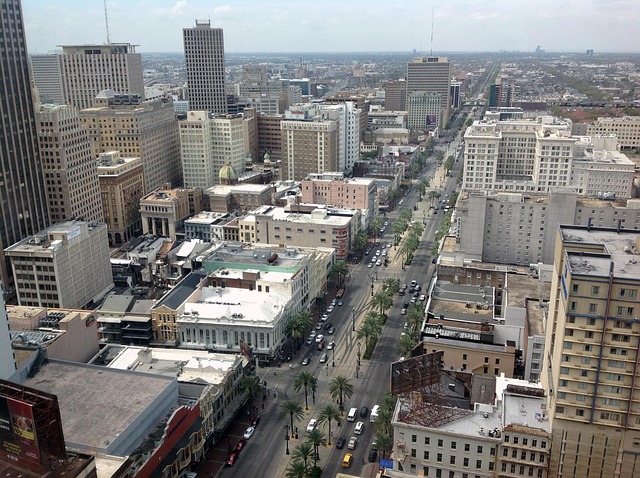
Once you are in the city, New Orleans rewards walkers. The French Quarter is compact enough that you can cover Bourbon Street, Frenchmen Street, and Preservation Hall on foot in a single evening without any planning. Frenchmen Street in the Marigny sits about a 15-minute walk from the heart of the Quarter and has better music most nights. The St. Charles streetcar line runs from Canal Street up through the Garden District and Uptown, covering Tipitina’s territory for $1.25 a ride. For late nights, rideshare is the practical option. Driving in the French Quarter is genuinely difficult, parking is expensive, and the one-way street grid was not designed for anyone in a hurry. Leave the car at the hotel and move on foot and by streetcar as much as possible.
Music Venues That Define the City
New Orleans boasts incredible music venues across all neighborhoods. Each offers something unique for travelers seeking live music experiences.
Each venue contributes to the city’s musical ecosystem. Musicians often play multiple venues in one evening. This creates opportunities for music travelers to catch several performances in a single night.
Festivals That Rock the City
New Orleans hosts world-class music festivals throughout the year. These events draw travelers from every continent. Planning travel for music events here requires advance booking, as accommodations fill quickly during festival seasons.
The New Orleans Jazz & Heritage Festival remains the crown jewel. Held annually in late April and early May, Jazz Fest showcases incredible diversity. Gospel, blues, R&B, rock, funk, country, Latin, and world music all share the stages. The festival celebrates Louisiana’s complete musical heritage.
French Quarter Festival takes place each April. This free event transforms the historic district into a massive outdoor concert venue. Multiple stages host simultaneous performances. Food vendors serve local specialties. The combination creates an authentic New Orleans experience.
Voodoo Music + Arts Experience brings alternative and mainstream acts together each October. The festival takes place in City Park, providing a beautiful backdrop for performances. Electronic, rock, hip-hop, and indie artists perform across multiple days.
Satchmo SummerFest honors Louis Armstrong each August. The festival features traditional jazz, brass bands, and educational programming. It celebrates Armstrong’s lasting impact on music worldwide.
Smaller festivals happen monthly. The Ponderosa Stomp focuses on obscure R&B and rock artists. Buku Music + Art Project emphasizes electronic and hip-hop. CreoleFest celebrates the city’s Creole heritage through music and culture.
Brass Band Culture
Brass bands represent New Orleans music at its most communal. These ensembles combine traditional instruments with modern energy. Tuba, trombone, trumpet, saxophone, drums, and sousaphone create infectious rhythms that make dancing mandatory.
The tradition began with funeral processions. Family and friends hired bands to escort deceased loved ones to burial grounds. The march to the cemetery featured somber hymns. The return journey exploded with jubilant celebration. This “second line” tradition continues today.
Modern brass bands evolved this concept. Groups like the Dirty Dozen Brass Band and Rebirth Brass Band brought funk and hip-hop influences. They play clubs, festivals, and street parades. Their energy attracts new generations of fans.
Second line parades happen weekly throughout the city. Social Aid and Pleasure Clubs organize these events. Brass bands lead processions through neighborhoods. Anyone can join the second line – the crowd that follows and dances behind the band. These parades offer free entertainment and authentic cultural experiences.
Visitors can catch brass bands at multiple venues weekly. The Maple Leaf Bar hosts Rebirth Brass Band every Tuesday. Other venues schedule brass band nights regularly. These performances provide incredible energy and audience participation.
Musical Neighborhoods
Each New Orleans neighborhood contributes unique flavors to the musical landscape. There are many things to do near Preservation Hall that help music travelers plan effective itineraries.
The French Quarter serves as tourist central. Historic architecture creates atmospheric backdrops for performances. Street musicians perform throughout the day and night. Traditional jazz dominates most venues here. The area offers easy walking access to multiple clubs and restaurants.
The Marigny and Bywater neighborhoods attract younger crowds and experimental artists. Venues here book indie rock, electronic, and avant-garde acts alongside traditional jazz. The areas feel more residential and authentic than the French Quarter. Music lovers seeking cutting-edge sounds should explore these neighborhoods.
Uptown and the Garden District blend college energy with established culture. Tulane and Loyola universities bring young audiences. Venues book diverse acts catering to student tastes while maintaining respect for local traditions. Magazine Street offers excellent dining options between music venues.
The Warehouse District downtown features larger venues hosting touring acts. This area works well for travelers wanting to see national artists in historic settings. Hotels and restaurants cluster nearby, making logistics simple.
Tremé represents the historical heart of African American musical culture. This neighborhood produced many jazz pioneers. Congo Square sits in nearby Louis Armstrong Park. Visitors can explore musical history while discovering contemporary artists carrying forward traditions.
Food and Music Culture
New Orleans seamlessly blends culinary and musical excellence. Many venues combine exceptional food with live performances. This creates unique experiences unavailable elsewhere.
Traditional music venues often serve local specialties. Po’boys, gumbo, jambalaya, and beignets provide authentic flavors between sets. Red beans and rice on Mondays follows local custom. Many musicians grew up with these dishes and appreciate venues that honor food traditions.
Some establishments focus equally on music and dining. Three Muses in the Marigny offers creative small plates alongside intimate performances. The programming emphasizes acoustic and experimental music that complements the dining experience.
Jazz brunch represents a uniquely New Orleans institution. Hotels and restaurants host live music during weekend brunch service. Traditional jazz accompanies classic breakfast dishes and cocktails. This combination creates relaxed afternoon entertainment perfect for music travelers.
Food festivals often feature musical programming. The Oak Street Po-Boy Festival combines sandwich competitions with live performances. The Creole Tomato Festival celebrates local agriculture while showcasing brass bands and traditional music.
Preservation Hall Visitor Guides


Planning Your Live Music Getaway
Successful music travel to New Orleans requires strategic planning. The city’s musical abundance can overwhelm first-time visitors. These live music getaway travel tips will maximize your experience.
Timing Your Visit:
Spring offers ideal weather and multiple festivals. Jazz Fest in late April provides the year’s musical highlight. French Quarter Festival adds free entertainment weeks earlier. Hotels book early for this period, so advance reservations essential.
Summer brings intense heat and humidity but fewer crowds. Music venues run air conditioning, making indoor shows comfortable. Outdoor events become challenging during midday heat. Evening performances work better during summer months.
Fall provides comfortable weather and excellent festival options. Voodoo Music + Arts Experience anchors October entertainment. Hurricane season technically continues through November, but major storms rarely affect planned trips.
Winter offers mild temperatures and reduced tourist crowds. Music venues maintain regular schedules year-round. Hotel rates drop significantly outside festival periods. This creates excellent value for budget-conscious music travelers.
Accommodation Strategies:
French Quarter hotels provide walking access to numerous venues but command premium prices during festivals. Marigny and Bywater bed-and-breakfasts offer character and proximity to cutting-edge music scenes. Uptown accommodations work well for travelers planning to explore multiple neighborhoods.
Book accommodations immediately when planning travel for music events during festival periods. Popular properties sell out months in advance. Consider staying outside the city center and using ride-sharing services to access venues.
Live Music Calendar
Understanding New Orleans’ musical calendar helps travelers plan optimal visits. Different seasons offer distinct advantages for music exploration.
Year-Round Venues:
Preservation Hall presents traditional jazz nightly except during limited holiday closures. Shows start at regular times, making planning simple. Advance ticket purchases recommended during peak tourism periods.
The Spotted Cat Music Club features live music every night. No cover charge makes this venue perfect for casual exploration. Musicians rotate regularly, ensuring variety for extended visits.
Snug Harbor books jazz and contemporary artists throughout the year. Their restaurant allows dinner and music combinations. Monday night features Ellis Marsalis tribute performances honoring the late piano master.
Seasonal Highlights:
January features the Sugar Bowl and related festivities. College football brings visitors who extend stays for music exploration. Venues experience increased traffic during this period.
Mardi Gras season runs from January through Fat Tuesday in February or March. Parades feature brass bands and create citywide celebration. Music venues stay busy with tourists and locals celebrating together.
April dominates the festival calendar with French Quarter Festival and Jazz Fest. These music events require advance planning and accommodation reservations. The musical offerings during this period exceed any other month.
October brings Voodoo Fest and comfortable weather. This combination attracts music travelers seeking alternatives to traditional jazz programming. Electronic and rock artists balance the musical palette.
Beyond the Famous Venues
New Orleans musical culture extends far beyond tourist-oriented clubs. Exploring neighborhood bars, community centers, and unconventional venues reveals deeper musical traditions.
Local bars throughout the city book musicians regularly. These venues serve neighborhood communities first while welcoming respectful visitors. Cover charges stay minimal or nonexistent. The music feels more authentic and less performance-oriented.
Churches maintain strong musical traditions worth experiencing. Gospel music services provide powerful performances in spiritual contexts. Many churches welcome visitors during regular services. This offers cultural immersion beyond entertainment venues.
Community centers and schools host concerts and cultural events. These programs support local musicians while serving educational purposes. Visitors can attend performances while contributing to community organizations.
Record stores often host in-store performances and listening parties. These intimate events showcase local artists in relaxed settings. Louisiana Music Factory and Peaches Records regularly schedule such events.
The Future of New Orleans Music
New Orleans music continues evolving while honoring its historic foundations. Young musicians arrive constantly, bringing fresh perspectives to established traditions. This constant renewal keeps the scene vital and relevant.
Technology provides new platforms for local artists. Streaming services help New Orleans musicians reach global audiences. Social media connects artists with fans worldwide. These tools supplement rather than replace live performance culture.
Music education programs ensure tradition continuity. Schools throughout the city emphasize musical instruction. The New Orleans Center for Creative Arts has produced numerous professional musicians. These programs maintain the pipeline of talented artists.
2026 promises exciting developments for music travelers. New venues continue opening throughout the city. Established clubs upgrade sound systems and facilities. Festival organizers experiment with programming and logistics.
Local Music Etiquette
Respect venue rules and local customs. Most clubs welcome visitors but expect common courtesy. Tip musicians when possible. Many perform for minimal pay and appreciate direct support.
Photography policies vary by venue. Ask before taking pictures during performances. Some artists prefer no cameras while others welcome documentation.
Supporting Local Artists
Purchase merchandise and recordings directly from musicians. CDs and vinyl sold at shows provide immediate artist support. These purchases create lasting memories while helping local music thrive.
Talk with performers between sets. Most New Orleans musicians enjoy sharing stories and recommendations with interested travelers.
Your Musical Journey Awaits
New Orleans delivers unmatched musical experiences for travelers seeking authentic live music. The city’s rich traditions blend seamlessly with constant innovation. Every street corner offers discovery. Every venue tells stories.
Plan your live music getaway to this incredible music city. The sounds that changed American culture continue evolving daily. Your musical journey starts with one trip to New Orleans.
FAQs
I’ve spent a lot of nights on both. Bourbon Street is drinking with music in the background. Frenchmen Street is music you came to hear. On Frenchmen on a good night you can stand on the sidewalk between the Spotted Cat and the Maison and hear three different things happening at once, jazz coming out one door, a brass band setting up on the corner, something funky coming from down the block. The crowd is there for the music. The covers are small or nothing. The Spotted Cat doesn’t even have a stage, the band just plays in the corner and the room fills up around them. Go to Bourbon Street once so you’ve done it. Spend the rest of your nights on Frenchmen.
Every time someone asks me this I say yes immediately. Jazz Fest is not really a jazz festival in the narrow sense. It’s more like a festival of everything Louisiana has ever touched musically, which turns out to be a lot. Gospel, blues, Cajun, zydeco, funk, R&B, brass band, and yes, jazz, all across multiple stages at the Fair Grounds racetrack. The food alone justifies the ticket. Crawfish Monica, cochon de lait po’boys, Creole cream cheese beignets. The weekday crowds are lighter than weekends and you can actually move around. Book your hotel as soon as the dates are announced. The city fills up fast and rates go to a different planet.
Tipitina’s in Uptown is essential. It’s been one of the most important venues in New Orleans since 1977 and it still books great shows in a room that feels exactly right for the music. Preservation Hall in the Quarter is worth doing for traditional jazz even though the lines are long and the sets are short, the room hasn’t changed since the 1960s and that matters. The Maple Leaf Bar in Carrollton runs a Tuesday night Rebirth Brass Band residency that’s been going for decades and is one of the most reliable great nights out in the city. Rock ‘n’ Bowl in Mid-City combines live music with actual bowling lanes in a way that sounds gimmicky until you’re there at midnight watching a zydeco band.
Spring festival season, mid-March through early May, is the peak and it earns that reputation. French Quarter Festival in April is free across multiple outdoor stages and it’s one of the most underrated music weekends in the country. Jazz Fest follows right after. The city is buzzing and fully alive in a way that’s hard to describe if you haven’t been. Summer is hot and humid in a way that’s genuinely intense, but the hotel deals are real and the music keeps going indoors. Voodoo Fest in October is worth planning around, and fall in general is when New Orleans gets its energy back after the summer. I’ve been in every season and there’s no bad time, but spring is the one.
The French Quarter, Marigny, and Bywater are all walkable from each other and I almost always walk between them. It’s part of the experience. For Uptown venues like Tipitina’s, rideshare from the Quarter takes about 15 minutes and is the right call. The streetcar is charming but slow and the late-night schedule is unreliable. Don’t drive on a Friday or Saturday night in the Quarter, it’s not worth the stress and parking is genuinely painful. The way I do it: walk Frenchmen and the Quarter, rideshare to Tipitina’s or Rock ‘n’ Bowl, walk back through the Marigny if it’s a nice night.