
Nashville: The Heart of American Music
The neon lights of Broadway reflect in puddles after a summer rain, while guitar riffs and soulful vocals spill from countless venues onto the streets. Nashville wears its nickname “Music City” with pride and purpose. From the hallowed circle at the Grand Ole Opry to indie rock clubs in East Nashville, music isn’t just entertainment here, it’s the lifeblood flowing through every neighborhood. For those planning live music getaways in 2026, Nashville offers an unparalleled concentration of musical experiences spanning genres, eras, and atmospheres that can’t be found anywhere else in America.
🎵 Music Events in Nashville — March 2026
Nashville’s Musical Heritage
Nashville’s connection to music runs deeper than its commercial country music industry. The city’s musical roots stretch back generations:
The Ryman Auditorium, originally built as a church in 1892, became home to the Grand Ole Opry radio broadcast in 1943. Today, it stands as a revered performance space with exceptional acoustics and spiritual significance for musicians across genres. The 2026 renovation preserved its historic character while adding modern amenities that enhance the audience experience.
Music Row, the area around 16th and 17th Avenues South, developed as the heart of the recording industry from the 1950s onward. Historic RCA Studio B, where Elvis Presley recorded over 200 songs, offers tours that let visitors stand in the exact spots where countless hits were created.
The Country Music Hall of Fame and Museum documents the evolution of country music from its folk origins to global phenomenon. Their expanded 2026 exhibits include immersive technology that lets visitors experience pivotal moments in Nashville’s musical development through virtual reality recreations.
The Broadway Experience
Lower Broadway remains Nashville’s most famous music district, lined with honky-tonks offering free live music from morning until late night:
- Robert’s Western World – This authentic honky-tonk features traditional country music and remains a favorite among locals despite the area’s increasing tourism focus
- Tootsie’s Orchid Lounge – A purple-hued Nashville institution with multiple floors of live music and historic connections to the Grand Ole Opry stars who performed after their official shows
- The Stage – Known for featuring more contemporary country acts across its spacious multi-level venue
- Acme Feed & Seed – Offering more musical variety with different genres featured on each floor, from traditional country to funk and soul
In 2026, several Broadway venues have implemented “Songwriter Spotlight” hours in the afternoons, giving exposure to the behind-the-scenes talent responsible for many hit songs.
Getting to and Around Nahville
Nashville International Airport (BNA) is roughly eight miles southeast of downtown. If traffic is normal, the drive into the city is usually around 15 to 20 minutes. Most people just order an Uber or Lyft after landing. The pickup area is outside the terminal and it is easy to find. Taxis are there too, though they usually cost a little more.
There is a cheaper option if you are not in a rush. The WeGo Route 18 bus runs between the airport and downtown and costs about $2. The downside is the time. The trip can take around 45 minutes depending on stops and traffic. For budget travelers it works fine, but it is not ideal if you are trying to get to a show or reservation quickly.
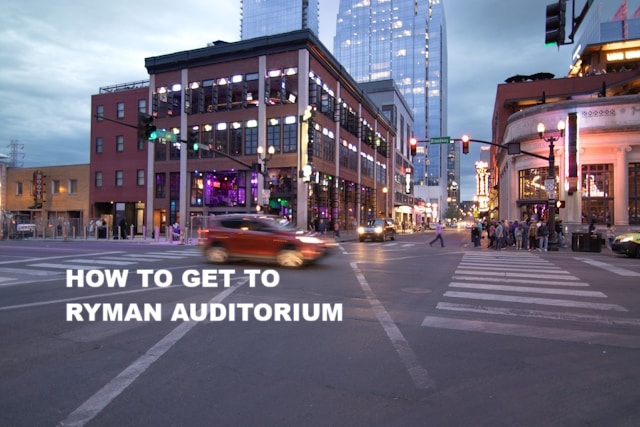
Downtown Nashville is actually very walkable. Anyone staying near Broadway or the Gulch will notice that most of the main spots are close together. The Ryman Auditorium, for example, is only a short walk from Broadway. Five minutes or so. Many of the honky tonks, restaurants, and music venues are packed into the same few blocks, which makes it easy to move around without thinking much about transportation.
During the day there is also a free downtown circulator bus. It stops near a number of hotels and popular attractions and runs through the Broadway area.
For places outside downtown, rideshare is usually the easiest choice. That includes East Nashville, Midtown, and the Grand Ole Opry at the Opry House. Nashville has grown a lot in recent years, and traffic has grown with it. On nights when concerts or events are happening, it is smart to allow a little extra time to get where you are going.
Downtown becomes especially crowded during CMA Fest in June. Hotels fill up, streets get busy, and getting around can take longer than expected. Parking is available near most venues, but garages around Broadway and the Ryman often charge somewhere between $15 and $25 on event nights. If you are staying downtown, many visitors find it easier to leave the car at the hotel and walk or call a rideshare later in the evening.
Beyond Broadway: Nashville’s Diverse Music Scenes
While downtown draws the largest crowds, Nashville’s most interesting musical evolution happens in surrounding neighborhoods:
East Nashville has become the epicenter for indie, Americana, and alternative artists. Venues like The 5 Spot and The East Room showcase emerging talent nightly. The neighborhood’s 2026 music festival calendar has expanded to include the East Nashville Summer Sound Series, featuring weekly outdoor concerts from May through September.
The Gulch combines upscale dining with sophisticated music venues. The Thompson Hotel’s rooftop bar hosts jazz performances with skyline views, while the Station Inn continues its decades-long tradition of bluegrass excellence despite the neighborhood’s rapid development.
12South has developed as a singer-songwriter haven. New venue Songteller’s Hall opened in early 2026, featuring intimate performances where artists share the stories behind their compositions in a listening room environment.
Germantown’s historic buildings now house several jazz and blues clubs. The Black Cat Jazz Lounge, opened in 2026, features classic cocktails and nightly performances emphasizing Nashville’s often-overlooked jazz heritage.
Iconic Music Venues
Beyond the honky-tonks, these signature venues define Nashville’s live music ecosystem.
Music Festivals Worth Traveling For
Nashville’s festival calendar offers perfect anchors for planning music-focused travel:
- CMA Fest (June) – The country music industry’s largest annual gathering transforms downtown into a massive multi-venue celebration with hundreds of artists performing across stages ranging from small club showcases to stadium concerts
- Americana Music Festival (September) – Over 200 performances across dozens of venues highlight the genre that bridges country, folk, blues, and soul traditions
- Nashville Jazz Festival (May) – Growing significantly in 2026 with international performers alongside local talent
- Deep Tropics (August) – An eco-conscious electronic music festival gaining national attention
- Pilgrimage Music Festival (September) – Held in nearby Franklin, this festival offers a more relaxed atmosphere with a diverse lineup spanning rock, Americana, and indie artists
New for 2026, the Nashville Heritage Festival celebrates the city’s diverse musical traditions with particular focus on contributions from Black artists who shaped the city’s sound from blues to R&B to gospel.
Where Music Is Made: Studio Experiences
Nashville offers unique opportunities to glimpse the recording process:
Historic RCA Studio B tours show where countess hit records were created between the 1950s and 1970s. The preserved space allows visitors to stand where Elvis, Dolly Parton, and Roy Orbison recorded signature songs.
Musicians interested in creating their own recordings can book time at Third Man Records’ Voice-o-Graph booth, which produces a one-of-a-kind 6-inch vinyl record in just minutes.
For a more comprehensive experience, Imagine Recordings offers “Session Experience” packages where visitors observe professional recording sessions with top studio musicians at the historic Quonset Hut Studio.
The new Gibson Garage (expanded in 2026) allows visitors to play instruments in custom sound rooms and observe luthiers crafting guitars in the on-site workshop.
Live Music Getaway Travel Tips for Nashville
When planning your music-focused Nashville trip, here are our travel tips for you:
- Timing Considerations – Weekends bring larger crowds to popular venues. Weeknight visits often provide easier access to the most famous spots like Tootsie’s or Robert’s Western World.
- Transportation Strategy – Downtown Nashville is walkable, but rideshare services are essential for reaching outlying neighborhoods with vibrant music scenes like East Nashville. The 2026 expansion of the WeGo bus system has improved public transit options between music districts.
- Ticketing Approaches – While Broadway honky-tonks don’t charge cover fees, they sustain themselves through drink purchases and tip jars. Support the musicians by tipping generously when enjoying free performances.
- Advance Planning – Venues like the Bluebird Cafe and the Grand Ole Opry typically require advance reservations, sometimes months ahead for prime showtimes. The Nashville Tourism Bureau launched a new booking portal in 2026 that consolidates ticket availability across major venues.
- Seasonal Considerations – Summer brings the largest crowds and highest prices. Consider spring or fall visits for milder weather and easier access to popular venues.
Ryman Auditorium Visitor Guides


Where Musicians Shop
Music Square in downtown Nashville houses dozens of instrument shops where everyday visitors mingle with professional musicians:
Gruhn Guitars showcases vintage and high-end instruments that draw collectors and professionals from around the world. Even non-players appreciate the museum-quality displays of rare instruments.
Carter Vintage Guitars similarly offers exceptional instruments with staff who welcome both serious buyers and curious visitors.
Corner Music supplies Nashville’s working musicians with everything from strings to professional audio equipment. Their 2026 expansion added interactive displays allowing visitors to test professional equipment.
Nashville for Music History Buffs
Beyond performances, Nashville offers exceptional music history experiences:
The Country Music Hall of Fame and Museum’s comprehensive exhibits trace the genre’s evolution with artifacts, recordings, and interactive displays. Their 2026 special exhibition “Nashville’s Global Impact” examines how the city’s music influenced artists worldwide.
The Musicians Hall of Fame honors the often-unsung studio musicians who created the Nashville Sound and other signature styles. Their expanded exhibits now include hands-on experiences that let visitors try creating iconic sound elements.
The National Museum of African American Music, opened in 2020 and expanded in 2026, fills a crucial gap in Nashville’s cultural landscape by documenting Black musical contributions across genres from spiritual to jazz, R&B, hip-hop and beyond.
The Nashville Experience: Key Takeaways
Nashville deserves its Music City nickname not just for its history but for the living, evolving musical ecosystem that continues to thrive in 2026. From commercial country powerhouses to independent artists pushing boundaries, the city embraces its musical identity across venues large and small. When planning live music getaways, Nashville offers unmatched concentration and variety. The ability to experience multiple outstanding performances in a single evening across different genres and settings.
What sets Nashville apart isn’t just the quantity of music but its integration into daily life. Here, the person serving your coffee might be performing that night, the songwriter at the next table might have written a hit you know by heart, and conversations about music flow.
FAQs
One night, yes. More than that and it starts to wear on you. There’s nothing else like it on a Saturday night: every bar has a live band, no cover charges on most of them, the neon is loud, the whole street smells like bourbon and fried chicken. You have to do it. But it’s built for the tourist version of Nashville, and if that’s the only Nashville you see you’ll leave thinking the city is a theme park. It’s not. East Nashville has a completely different feel, quieter and more local. The Bluebird Cafe in Green Hills is where the music actually matters in a way it doesn’t always on Broadway. Go to Broadway first, then go deeper.
Book through their website as soon as you know your dates. I’ve shown up without a reservation and gotten in, but I’ve also stood outside while they turned people away, and I’ve learned my lesson. Weekend shows sell out weeks ahead. Midweek is easier to get into. The room seats around 90 people so there’s no bad seat, and the listening room format means the audience goes quiet when the music starts, which sounds simple but makes the whole experience feel different from a regular venue. Arrive before your reservation time, order something, tip well, and don’t talk during the songs.
Downtown if you want to walk to the Ryman and be on Broadway without dealing with Ubers every night. The Gulch is my preference, slightly quieter but still walkable to everything that matters downtown, and the hotel options are strong. East Nashville is worth it if you plan to spend evenings at places like The 5 Spot, American Legion Post 82, or Dino’s, and you want a more local experience than the downtown hotels give you. 12South is great for the food scene and close to the Bluebird. First trip, I’d say Gulch. Second trip, East Nashville.
I get asked this constantly. No. The Ryman books rock, soul, folk, and Americana alongside country and has for years. Third Man Records runs shows that lean toward punk, garage, and the experimental end of things. Basement East and Brooklyn Bowl Nashville both book strong touring rock acts. The Station Inn is the best bluegrass room I’ve been to anywhere, full stop. The Americana Music Festival in September covers everything from singer-songwriter to roots rock to alt-country and pulls in people who’ve never been interested in mainstream country in their lives. Come for the music, whatever kind you’re into.
CMA Fest in June is the busiest week of the year. Hotel prices triple, downtown is packed, and you need to book months out. If CMA Fest is the reason you’re going, plan way ahead. If you want a great Nashville trip with room to breathe, September during Americana Fest is my answer. The summer heat is breaking, the crowds are manageable, and the music is serious. Late October and November are underrated: good weather, lower rates, and the venue calendar stays full. January through February is the quietest stretch with the best hotel deals.