20,789
Madison Square Garden Cap.
5
Boroughs With Live Music
I have been going to shows in New York for years and I still find it hard to explain what makes the city different. The closest I can get is this: nowhere else have I been standing outside a venue after a show, completely satisfied with what I just heard, and had three separate options for where to go next before midnight.
The sheer number of places playing live music on any given night is almost absurd. Walk through the Village on a Thursday and you pass jazz coming out of one doorway, a band setting up through another, a bar with a duo in the corner that turns out to be genuinely good. Nobody is making a big deal of it. It is just what the neighborhood does.
Sep17:00 PM
Big Reveal Bash Bundle
📍 Bowery PalaceSeptember 1, 2026
Tickets →
Sep195:30 PM
Gabrielle Stravelli Trio
📍 Birdland Jazz ClubSeptember 19, 2026
Tickets →
Sep196:00 PM
Wine & Hip Hop Presents Tasting Notes From the Streets Food Hall
📍 Hard Rock CafeSeptember 19, 2026
Tickets →
Sep196:00 PM
Jeff Rosenstock
📍 The Rooftop at Pier 17September 19, 2026
Tickets →
Sep196:00 PM
Added Color
📍 Mercury LoungeSeptember 19, 2026
Tickets →
Sep196:30 PM
iluvboyband (album release show), May Rio, Anger of 1000 Dragons
📍 Night Club 101September 19, 2026
Tickets →
Sep197:00 PM
Mari Froes
📍 Bowery BallroomSeptember 19, 2026
Tickets →
Sep197:00 PM
APB
📍 Gramercy TheatreSeptember 19, 2026
Tickets →
Sep197:00 PM
Cava
📍 BerlinSeptember 19, 2026
Tickets →
Sep197:00 PM
Emma Smith Quartet
📍 Birdland TheaterSeptember 19, 2026
Tickets →
Sep197:30 PM
New York Philharmonic: Dudamel Conducts Prokofiev & John Adams
📍 David Geffen HallSeptember 19, 2026
Tickets →
Sep198:00 PM
Sara Bareilles: The Good Grief Tour
📍 Radio City Music HallSeptember 19, 2026
Tickets →
Sep198:00 PM
Harry Styles: Together, Together
📍 Madison Square GardenSeptember 19, 2026
Tickets →
Sep198:00 PM
Cheekface (18 and Over)
📍 Racket NYCSeptember 19, 2026
Tickets →
Sep198:00 PM
Monsieur Perine - Instrucciones Para Ser Feliz
📍 Sony HallSeptember 19, 2026
Tickets →
Sep198:00 PM
Chris Dave x Meshell Ndegeocello x Eric Gales Trio
📍 Blue Note Jazz ClubSeptember 19, 2026
Tickets →
Sep198:30 PM
A Concert Honoring Pat Martino featuring Nir Felder, Oz Noy, Dave Stryker, Adam Rogers, Paul Bollenback, Ed Cherry, Sheryl Bailey, Joel Harrison, Allan Mednard, Rez Abbasi and Jeff Miles.
📍 IridiumSeptember 19, 2026
Tickets →
Sep198:30 PM
Eliane Elias
📍 Birdland Jazz ClubSeptember 19, 2026
Tickets →
Sep199:00 PM
Max Fry
📍 Mercury LoungeSeptember 19, 2026
Tickets →
Sep199:30 PM
Rock-n-Roll Reunion 4.0 feat. The Hollow Men -Best of the 70’s and 80’s Rock
📍 Cutting RoomSeptember 19, 2026
Tickets →
Sep199:30 PM
Emma Smith Quartet
📍 Birdland TheaterSeptember 19, 2026
Tickets →
Sep1910:00 PM
Oskar med K
📍 Terminal 5September 19, 2026
Tickets →
Sep1910:00 PM
CRAVE takes Manhattan
📍 Night Club 101September 19, 2026
Tickets →
Sep1910:30 PM
Chris Dave x Meshell Ndegeocello x Eric Gales Trio
📍 Blue Note Jazz ClubSeptember 19, 2026
Tickets →
Sep1910:30 PM
Eliane Elias
📍 Birdland Jazz ClubSeptember 19, 2026
Tickets →
Sep201:00 PM
Sunday Songwriter's Open Mic Every Week at Lucinda's
📍 Lucinda'sSeptember 20, 2026
Tickets →
Sep201:30 PM
The World Famous Harlem Gospel Choir
📍 Blue Note Jazz ClubSeptember 20, 2026
Tickets →
Sep205:00 PM
bodie - Sellout Tour
📍 Mercury LoungeSeptember 20, 2026
Tickets →
Sep205:30 PM
Jon De Lucia’s Dave Brubeck Octet Project
📍 Birdland Jazz ClubSeptember 20, 2026
Tickets →
Sep206:00 PM
Jeff Rosenstock
📍 The Rooftop at Pier 17September 20, 2026
Tickets →
Sep206:00 PM
Jeff Rosenstock
📍 The Rooftop at Pier 17September 20, 2026
Tickets →
Sep206:30 PM
Devon Church, Adeline Hotel, Avery Friedman
📍 Night Club 101September 20, 2026
Tickets →
Sep206:30 PM
Dan Miraldi & The Rock N Roll Mercenaries | Birds In The Boneyard | Freaky Wilderness
📍 Bowery PalaceSeptember 20, 2026
Tickets →
Sep207:00 PM
Bill Mays Trio
📍 Birdland TheaterSeptember 20, 2026
Tickets →
Sep207:00 PM
Steve Forbert
📍 Cafe Wha?September 20, 2026
Tickets →
Sep208:00 PM
Mars Mignon, Ian Ridenhour, Brea Fournier & the Dream Ballet
📍 Mercury LoungeSeptember 20, 2026
Tickets →
Sep208:00 PM
Chris Dave x Meshell Ndegeocello x Eric Gales Trio
📍 Blue Note Jazz ClubSeptember 20, 2026
Tickets →
Sep208:30 PM
The Birdland Latin Jazz Orchestra
📍 Birdland Jazz ClubSeptember 20, 2026
Tickets →
Sep209:00 PM
Honky Tonk Dance Hall
📍 Lucinda'sSeptember 20, 2026
Tickets →
Sep209:30 PM
JonoJono | Markzen | Bvdmind
📍 Bowery PalaceSeptember 20, 2026
Tickets →
Sep209:30 PM
Bill Mays Trio
📍 Birdland TheaterSeptember 20, 2026
Tickets →
Sep2010:00 PM
Smut, Dirt Buyer, Foyer Red
📍 Night Club 101September 20, 2026
Tickets →
Sep2010:30 PM
Chris Dave x Meshell Ndegeocello x Eric Gales Trio
📍 Blue Note Jazz ClubSeptember 20, 2026
Tickets →
Sep2010:30 PM
The Birdland Latin Jazz Orchestra
📍 Birdland Jazz ClubSeptember 20, 2026
Tickets →
Sep2011:55 PM
The Midnight Special
📍 Wild HorsesSeptember 20, 2026
Tickets →
Sep2011:55 PM
The Midnight Special
📍 Wild HorsesSeptember 20, 2026
Tickets →
Sep215:30 PM
Vince Giordano and the Nighthawks
📍 Birdland TheaterSeptember 21, 2026
Tickets →
Sep216:00 PM
Ryman
📍 Mercury LoungeSeptember 21, 2026
Tickets →
Sep217:00 PM
Culture Wars
📍 Irving Plaza Powered By Verizon 5GSeptember 21, 2026
Tickets →
Sep217:00 PM
Ben Harper & The Innocent Criminals
📍 Bowery BallroomSeptember 21, 2026
Tickets →
Sep217:00 PM
A Night With Nicole Henry
📍 Birdland Jazz ClubSeptember 21, 2026
Tickets →
Sep217:00 PM
Love Spells, Orca
📍 Night Club 101September 21, 2026
Tickets →
Sep217:30 PM
Rene Lopez Diamonds Don't Wait Release Show with Margo Valiante
📍 Lucinda'sSeptember 21, 2026
Tickets →
Sep218:00 PM
Ben Howard (16 and Over)
📍 Webster HallSeptember 21, 2026
Tickets →
Sep218:00 PM
Luke Titus
📍 Blue Note Jazz ClubSeptember 21, 2026
Tickets →
Sep218:00 PM
Everything Must Go | The Spin | Fruit Punch
📍 Bowery PalaceSeptember 21, 2026
Tickets →
Sep218:30 PM
Vince Giordano and the Nighthawks
📍 Birdland TheaterSeptember 21, 2026
Tickets →
Sep219:00 PM
Jackson Marshall
📍 Mercury LoungeSeptember 21, 2026
Tickets →
Sep2110:30 PM
Luke Titus
📍 Blue Note Jazz ClubSeptember 21, 2026
Tickets →
Sep225:30 PM
Vince Giordano and the Nighthawks
📍 Birdland TheaterSeptember 22, 2026
Tickets →
Sep226:00 PM
Lily Hain
📍 Mercury LoungeSeptember 22, 2026
Tickets →
Sep227:00 PM
Ben Harper & The Innocent Criminals
📍 Bowery BallroomSeptember 22, 2026
Tickets →
Sep227:00 PM
COLTRANE REVISITED CENTENNIAL CELEBRATION with Jimmy Greene, Troy Roberts, Helen Sung, Steve Smith, Lonnie Plaxico
📍 Birdland Jazz ClubSeptember 22, 2026
Tickets →
Sep228:00 PM
Malcolm Todd: Do That Again Tour
📍 Radio City Music HallSeptember 22, 2026
Tickets →
Sep228:00 PM
Jane Remover (16 and Over)
📍 Terminal 5September 22, 2026
Tickets →
Sep228:00 PM
Madison Ryann Ward w/ Mr. Talkbox - The Still Standing Tall Tour
📍 Sony HallSeptember 22, 2026
Tickets →
Sep228:00 PM
Big Reveal Bash Week 3: Matt Kelley & The Big Reveal | Jacob Shipley | Kelsey Pierce
📍 Bowery PalaceSeptember 22, 2026
Tickets →
Sep228:00 PM
Live Weekly Bluegrass with Allison Kelly
📍 Lucinda'sSeptember 22, 2026
Tickets →
Sep228:00 PM
CHRIS DAVE × ERIC GALES × DJ GINYARD
📍 Blue Note Jazz ClubSeptember 22, 2026
Tickets →
Sep228:00 PM
Dale Watson & His Lone Stars w/ India Ramey
📍 Cafe Wha?September 22, 2026
Tickets →
Sep228:00 PM
She & Him: Pump Up The Volumes Tour
📍 Town HallSeptember 22, 2026
Tickets →
Sep228:30 PM
Vince Giordano and the Nighthawks
📍 Birdland TheaterSeptember 22, 2026
Tickets →
Sep229:00 PM
Sami Cuervo, Jules Daud, SORIA
📍 Mercury LoungeSeptember 22, 2026
Tickets →
Sep229:30 PM
East of the Sun EP Release Party
📍 Night Club 101September 22, 2026
Tickets →
Sep229:30 PM
COLTRANE REVISITED CENTENNIAL CELEBRATION with Jimmy Greene, Troy Roberts, Helen Sung, Steve Smith, Lonnie Plaxico
📍 Birdland Jazz ClubSeptember 22, 2026
Tickets →
Sep2210:30 PM
CHRIS DAVE × ERIC GALES × DJ GINYARD
📍 Blue Note Jazz ClubSeptember 22, 2026
Tickets →
Sep235:30 PM
David Ostwald's Louis Armstrong Eternity Band
📍 Birdland TheaterSeptember 23, 2026
Tickets →
Sep236:00 PM
The Bros. Landreth: Tumbling Wild Tour 2026
📍 Mercury LoungeSeptember 23, 2026
Tickets →
Sep237:00 PM
Acdc Power-Pop Up
📍 Hard Rock CafeSeptember 23, 2026
Tickets →
Sep237:00 PM
Govt Mule and Ziggy Marley
📍 The Rooftop at Pier 17September 23, 2026
Tickets →
Sep237:00 PM
BENZO - THE MODEL TOUR - ALBUM TOUR IN NEW YORK
📍 Gramercy TheatreSeptember 23, 2026
Tickets →
Sep237:00 PM
Govt Mule and Ziggy Marley
📍 The Rooftop at Pier 17September 23, 2026
Tickets →
Sep237:00 PM
Love Spells
📍 Bowery BallroomSeptember 23, 2026
Tickets →
Sep237:00 PM
Like a Star: Celebrating 20 Years of Corinne Bailey Rae
📍 Irving Plaza Powered By Verizon 5GSeptember 23, 2026
Tickets →
Sep237:00 PM
Of Monsters and Men - The Mouse Parade Tour
📍 Capital One City Parks Foundation SummerStageSeptember 23, 2026
Tickets →
Sep237:00 PM
Gideon King & City Blog feat. Special Guest Kurt Rosenwinkel
📍 The Pocket Jazz ClubSeptember 23, 2026
Tickets →
Sep237:00 PM
Danielle Nicole w/ Honey Marmalade (Blues Rock, Soul, Roots)
📍 DromSeptember 23, 2026
Tickets →
Sep237:00 PM
COLTRANE REVISITED CENTENNIAL CELEBRATION with Jimmy Greene, Troy Roberts, Helen Sung, Steve Smith, Lonnie Plaxico
📍 Birdland Jazz ClubSeptember 23, 2026
Tickets →
Sep237:00 PM
Sean Carroll, Ok, Tyler
📍 Night Club 101September 23, 2026
Tickets →
Sep237:00 PM
Nautics Album Release Party
📍 Night Club 101September 23, 2026
Tickets →
Sep238:00 PM
Malcolm Todd: Do That Again Tour
📍 Radio City Music HallSeptember 23, 2026
Tickets →
Sep238:00 PM
Harry Styles: Together, Together
📍 Madison Square GardenSeptember 23, 2026
Tickets →
Sep238:00 PM
The Milk Carton Kids w/ Paper Wings
📍 Webster HallSeptember 23, 2026
Tickets →
Sep238:00 PM
Angus and Julia Stone (18 and Over)
📍 Racket NYCSeptember 23, 2026
Tickets →
Sep238:00 PM
Madison Ryann Ward w/ Mr. Talkbox - The Still Standing Tall Tour
📍 Sony HallSeptember 23, 2026
Tickets →
Sep238:00 PM
Talib Kweli with Live Band
📍 Blue Note Jazz ClubSeptember 23, 2026
Tickets →
Sep238:00 PM
She & Him: Pump Up The Volumes Tour
📍 Town HallSeptember 23, 2026
Tickets →
Sep238:30 PM
Frank Vignola's Guitar Night with Pasquale Grasso & Lucy Wijnands (vocals)
📍 Birdland TheaterSeptember 23, 2026
Tickets →
Sep239:00 PM
Kalisway
📍 Mercury LoungeSeptember 23, 2026
Tickets →
Sep239:00 PM
Gideon King & City Blog feat. Special Guest Kurt Rosenwinkel
📍 The Pocket Jazz ClubSeptember 23, 2026
Tickets →
The history in this city is not the kind you read on a plaque. It is in the actual rooms. Minton’s Playhouse on 118th Street in Harlem is where bebop was invented, where Charlie Parker and Dizzy Gillespie played late-night sessions in the 1940s that changed what jazz was allowed to sound like. The place still has shows. You can sit there with a drink and think about that. The Village coffee houses where Bob Dylan worked out his early songs are still standing in various forms. CBGB is gone, which still annoys people who were there, but the East Village block it sat on has not forgotten. I took the hip-hop history tour in the Bronx a few years ago expecting it to feel like a school trip and came away genuinely moved. 1520 Sedgwick Avenue is just an apartment building. Knowing what happened there changes how you look at it.
New York Quick Facts
Airports
JFK, LGA, EWR
JFK to Midtown
50 min / $2.90 by AirTrain + subway
Music districts
Greenwich Village, Harlem, Brooklyn
Largest venue
Madison Square Garden (20,789)
Top festival
Governor’s Ball (June)
Summer temp
75-88F / 24-31C
Mid-range hotel
$200-$350/night
Music heritage
Jazz, Hip-Hop, Punk, Folk, R&B
Best For
Bucket-list arena show travelers who want to see their favorite artist at the most storied indoor venue in the world —
Madison Square Garden is the room every major artist measures themselves against, Billy Joel has played it over 100 times, and a show here carries a weight that no other arena in the country comes close to matching
Jazz fans who want depth and variety — the Blue Note in Greenwich Village has been running world-class shows in a 200-seat room since 1981, Harlem’s Minton’s Playhouse is where bebop was invented, and the Winter Jazzfest in January spreads serious programming across a dozen Manhattan venues over two nights
Indie and alternative fans who want to discover something new — Brooklyn’s Williamsburg and Bushwick venues like Baby’s All Right, Elsewhere, and Market Hotel are where acts break before anyone else is paying attention, and the borough consistently has the most interesting small-room programming of any city in the country
Travelers who want scale and range in the same city — on any given night in New York you can choose between an arena headliner, a jazz club with a three-drink minimum, a free SummerStage show in Central Park, and a DIY loft party in Bushwick, all within the same subway system and often within the same borough
New York Insider Tips
- 🎟 The Apollo Theater in Harlem runs Amateur Night on Wednesdays. It is one of the cheapest and most entertaining nights in New York and the tradition goes back to 1934.
- 🚌 The subway runs 24 hours. There is no reason to pay for parking at any venue in the city. Use the MTA and save the money for tickets.
- 🍺 Rough Trade NYC in Williamsburg runs in-store performances by artists on tour. Check the calendar before your trip. Shows are often free with an album purchase.
- 🎸 Baby’s All Right in Williamsburg and Elsewhere in Bushwick book some of the best indie shows in the city. Both are standing venues with good sound and no bad sightlines.
- 📍 Governor’s Ball on Randall’s Island sells out in waves. Early-bird tickets in winter are always cheaper than anything closer to June.
- 📱 SummerStage in Central Park and other city parks runs free and low-cost concerts from June through September. The calendar goes up in March and the best shows fill quickly.
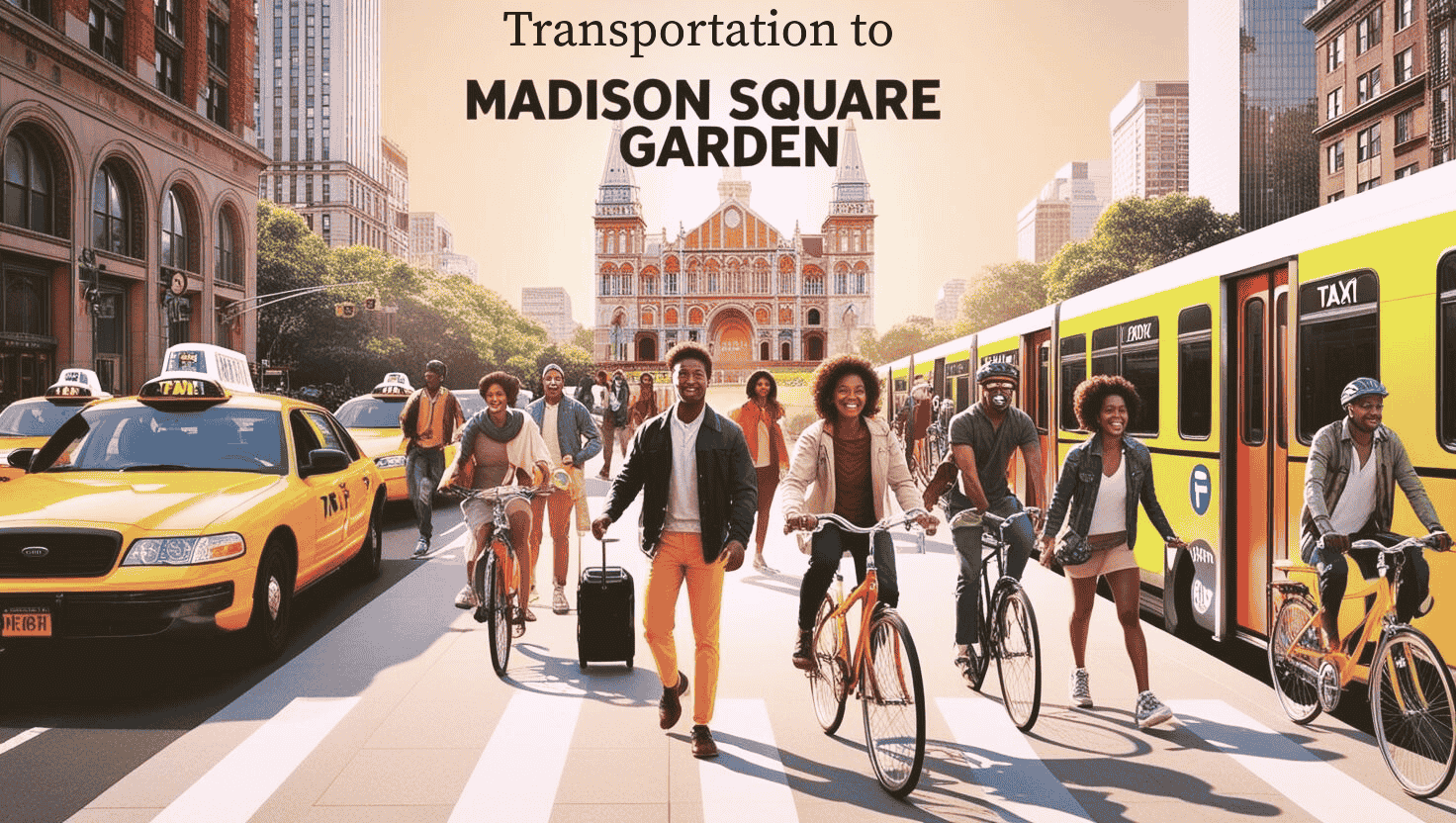
Getting to and around New York
New York has three airports and which one you use makes a real difference. JFK is 15 to 18 miles from Midtown and the most reliable option is the AirTrain to Jamaica Station, then the E or A subway line into Manhattan for around $9 total. The trip takes 60 to 75 minutes. LaGuardia is closer at 8 miles but has no rail link, so you are looking at a cab, rideshare, or the Q70 bus to the subway. Newark (EWR) in New Jersey is a solid option for many flights and the NJ Transit train connects directly to Penn Station in about 30 minutes for $17. Taxis from any of the three airports run $35 to $70 depending on distance and traffic.
Once you are in the city, the subway is the answer for almost everything. A single MetroCard ride costs $2.90 and the system runs 24 hours. The 1, 2, and 3 trains cover the West Side from the Bronx down through Midtown and drop you at Penn Station directly under Madison Square Garden. The L train connects Manhattan to Williamsburg and Bushwick for Brooklyn venue nights. The A and C run to the far west and uptown to Harlem. For venue hopping across Manhattan, the subway is consistently faster than any car. Rideshare works for late nights in outer boroughs where train frequency drops after midnight, but in Manhattan and central Brooklyn on a show night, the train beats traffic every time. Walking is underrated: the blocks between venues in the Village, Midtown, or Williamsburg are short, and getting your bearings on foot is the best way to understand the city.
✈
By Air
Three airports serve NYC. JFK via AirTrain and subway is ~$9 and 60-75 min. Newark via NJ Transit is ~$17 and 30 min to Penn Station. LaGuardia requires a bus or rideshare.
🚇
Subway
$2.90 per ride, runs 24 hours. The 1/2/3 lines stop directly under MSG at Penn Station. The L train covers Williamsburg. The A/C/E serve Midtown and Harlem. Fastest option on any show night.
🚶
On Foot
Manhattan blocks are short and venues cluster tightly in the Village, Midtown, and the East Village. Williamsburg venues are all within easy walking distance of each other. Walking beats waiting for a cab.
🚗
Rideshare
Uber and Lyft work well for outer borough venues and late-night trips when train frequency drops. Surge pricing hits hard after big MSG shows — walk a couple of blocks from the venue exit before requesting.
🚌
City Bus
MTA buses fill the gaps between subway stops. Same $2.90 fare with a MetroCard. Slower than the train but useful for cross-town routes and neighborhoods the subway does not reach directly.
🚙
Driving
Skip it for show nights. Midtown parking runs $40 to $70 near MSG. Traffic after a sold-out show is a standstill. The subway gets you out faster than any car will.
The Iconic Music Venues
New York’s music venues range from 200-seat jazz clubs where you can see the sweat on the drummer’s forehead to Madison Square Garden, where 20,000 people somehow manage to feel like they are all having the same private moment. The city has rooms for every budget, every genre, and every mood, and the standard of booking across all of them is higher than anywhere else in the country. Whether you are after a career-defining arena show or a Tuesday night jazz set that nobody outside the neighborhood knows about, the venue exists and it is probably already sold out if you waited too long to look.
20,789 cap. | Midtown Manhattan
The most famous arena in the world sits directly above Penn Station on 7th Avenue, which makes it one of the most accessible major venues anywhere. Every artist who headlines here knows what it means — it is a career milestone, a statement, and often the best show of a given tour for that reason alone. Billy Joel has played it more than 100 times and keeps going. The 2024 acoustic renovation addressed longstanding sound issues and the improvement is real. If the act you want to see is playing MSG, you go.
Best for: Major touring acts, bucket-list arena shows, any genre
Blue Note Jazz Club
~200 cap. | Greenwich Village
Open since 1981 on West 3rd Street and still booking some of the finest jazz talent working anywhere in the world. Two shows nightly, most nights of the year. The room holds around 200 people and you will be close to the stage regardless of where you sit. The Village location means you are in the neighborhood where the folk revival, the beat poets, and the jazz scene all overlapped in the 1960s, which gives the whole evening a particular weight. Cover charges and minimums apply but the music justifies the cost. Reservations recommended, especially on weekends.
Best for: World-class jazz, intimate room, Greenwich Village
Radio City Music Hall
5,960 cap. | Midtown Manhattan
An art deco landmark built in 1932 that remains one of the most beautiful rooms you can see a show in anywhere in the country. The sunburst ceiling, the deep reds, and the tiered balconies give it a grandeur that no modern venue can manufacture. The acoustics are strong and sightlines are good throughout. Midsize by New York standards at just under 6,000 capacity, it sits at a sweet spot between the intimacy of a club and the scale of an arena. For any artist playing here, the room itself is a reason to go.
Best for: Mid-size shows, art deco architecture, any genre
Apollo Theater
1,506 cap. | Harlem
The most important venue in the history of Black American music. Ella Fitzgerald won Amateur Night here in 1934 and it changed her life. James Brown, Stevie Wonder, Marvin Gaye, Aretha Franklin, and Michael Jackson all performed on this stage. It is still an active venue with a strong concert calendar and Wednesday Amateur Night still runs. Being in the room where so much of the music that defined the 20th century was first heard gives a show here a context that very few rooms can offer. The Harlem location is straightforward to reach by A, B, C, or D train.
Best for: R&B, soul, hip-hop, historic significance
Brooklyn Steel
1,800 cap. | Williamsburg, Brooklyn
Opened in 2017 and quickly became the go-to mid-size room in Brooklyn for indie, alternative, and rock. The industrial space is well designed for standing shows with good sightlines throughout the floor, a solid sound system, and a bar setup that does not require leaving your spot for long. The Williamsburg location drops you into one of the best neighborhoods in New York for a pre-show meal or a drink before and after. The L train from Manhattan takes about 10 minutes. Check the calendar regularly because the booking is consistently strong.
Best for: Indie, alternative, rock, Brooklyn night out
Elsewhere
Bushwick, Brooklyn
A multi-room venue in Bushwick that has built one of the best booking reputations in New York since opening in 2017. Three spaces of different sizes — the Hall, the Zone, and the Rooftop — let it run multiple shows on the same night at different scales. The programming leans electronic, indie, and experimental, with a track record of catching artists before they graduate to larger rooms. The crowd comes for the music and the atmosphere reflects it. Getting to Bushwick requires a longer subway ride but the neighborhood is worth the trip on its own.
Best for: Electronic, indie, discovering new artists, Bushwick
Minton’s Playhouse
Harlem
The room where bebop was invented. Charlie Parker, Dizzy Gillespie, Thelonious Monk, and Miles Davis all played the late-night jam sessions here in the 1940s that created modern jazz. Minton’s was restored and reopened in 2013 and now operates as a supper club with live jazz nightly. The food is good, the room is beautiful, and the history is embedded in every wall. A jazz brunch on Sunday is one of the best ways to spend a New York morning. For anyone serious about jazz history, this is a required stop.
Best for: Jazz, bebop history, Harlem supper club experience
Prospect Park Bandshell
Prospect Park, Brooklyn
The outdoor home of the BRIC Celebrate Brooklyn! festival, running free and ticketed shows through the summer months in one of the city’s great parks. The programming covers world music, indie, Latin, hip-hop, and jazz with a curation that leans adventurous and global. A free show here on a summer evening with the Brooklyn skyline behind the stage is one of those New York experiences that does not require any money to be genuinely excellent. The B and Q trains put you at the park entrance in minutes from Manhattan.
Best for: Free summer shows, world music, outdoor Brooklyn evenings
Neighborhood Music Scenes
Each New York neighborhood offers a distinct musical personality for travelers exploring the city:
Manhattan’s Greenwich Village maintains its folk and singer-songwriter heritage with venues like Cafe Wha? and The Bitter End still hosting regular performances. The spirit of Bob Dylan and Joan Baez lingers in these historic spaces, even as they showcase contemporary artists.
Brooklyn has emerged as the epicenter of New York’s indie scene. Williamsburg and Bushwick venues like Baby’s All Right, Elsewhere, and Market Hotel foster experimental sounds and breakthrough artists. The borough’s DIY spaces continue to nurture grassroots talent despite gentrification pressures.
Harlem’s jazz heritage remains vibrant through venues like Minton’s Playhouse and Bill’s Place. In 2026, the neighborhood is experiencing a renaissance of soul and R&B performances that pay homage to its musical roots while incorporating modern influences.
The Bronx, birthplace of hip-hop, offers authentic experiences for music travelers seeking to understand this global cultural force. The Universal Hip Hop Museum, which expanded its exhibits in 2026, provides context for the revolutionary art form that began at 1520 Sedgwick Avenue.
Seasonal Music Festivals
New York’s festival calendar provides perfect anchors for planning a live music getaway trip:
- Governor’s Ball (June) – This multi-day festival on Randall’s Island features major headliners across indie, hip-hop, and electronic music
- SummerStage (June-September) – Free and ticketed performances across city parks, representing diverse musical traditions
- Blue Note Jazz Festival (June) – A month-long celebration of jazz across multiple venues
- BRIC Celebrate Brooklyn! (Summer) – The Prospect Park Bandshell hosts eclectic performances in a beautiful outdoor setting
- Global Citizen Festival (September) – Central Park’s Great Lawn becomes home to this social impact music festival
- Winter Jazzfest (January) – A warming musical marathon during the coldest months
For 2026, several festivals have added immersive technology experiences, allowing attendees to engage with music in innovative ways through virtual and augmented reality installations. Here are some of the music events this year with more details.
Beyond the Mainstream
Traveling for music events in New York means looking beyond the obvious choices. The city’s underground scene thrives in 2026 with these distinctive experiences:
Secret warehouse parties in industrial Brooklyn spaces announce their locations just hours before events begin. These gatherings feature electronic music DJs playing extended sets until dawn, drawing influences from Berlin’s techno culture.
Experimental music venues like Issue Project Room and Roulette present avant-garde performances that challenge conventional boundaries. These spaces attract dedicated audiences seeking sounds they won’t encounter elsewhere.
Gospel brunches in Harlem churches offer spiritual music experiences on Sunday mornings. Travelers seeking authentic cultural immersion find these services moving regardless of religious affiliation.
Jazz musicians host late-night jam sessions after their official performances conclude. Knowing where these impromptu gatherings occur requires local knowledge or friendly conversation with performers after shows.
Historical Music Tours
Understanding New York’s musical heritage enhances any live music getaway:
Walking tours of the East Village reveal where punk rock flourished at CBGB (now a clothing store) and where the Velvet Underground performed at Andy Warhol’s Factory. Though many original venues have closed, knowledgeable guides bring the era to life.
Hip-hop tours of the Bronx show where DJ Kool Herc and Grandmaster Flash pioneered techniques that would transform global music. These tours have expanded in 2026 to include augmented reality components showing historical performances at significant locations.
Greenwich Village folk music tours trace the footsteps of young Bob Dylan and the 1960s scene that changed American songwriting forever. Many coffee houses and clubs from this era still host acoustic performances.
Local Record Stores
No music journey through New York is complete without visiting its iconic record shops:
Rough Trade NYC in Williamsburg expanded in 2026, offering an even larger selection of vinyl and hosting more in-store performances by artists performing in the city.
Generation Records in Greenwich Village specializes in punk, metal, and alternative music, maintaining its gritty authenticity amid neighborhood changes.
Academy Records operates locations in Manhattan and Brooklyn, with exceptional collections of jazz, classical, and used vinyl spanning decades of music history.
Live Music Getaway Travel Tips
Planning a New York trip centered around music requires strategy:
- Purchase tickets to must-see shows before booking flights and accommodations
- Schedule visits to iconic venues even when no performances are happening – many offer daytime tours
- Leave room in your itinerary for spontaneous musical discoveries
- Use apps like Bandsintown and Songkick to identify performances coinciding with your visit
- Connect with locals through music meetup groups for insider knowledge
- Consider visiting during winter months when tourist crowds thin but the music scene remains vibrant
The Food-Music Connection
New York’s culinary scene intersects with its music culture in delicious ways:
Jazz supper clubs like Jazz Standard serve award-winning barbecue alongside nightly performances, creating a complete sensory experience.
Restaurant venues like City Winery pair performances with excellent food and wine programs, elevating dinner shows beyond typical offerings.
Historically significant restaurants near major venues offer pre-show dining where you might spot performers and industry insiders discussing the evening’s upcoming shows.
Madison Square Garden Visitor Guides
New York in 2026: Emerging Trends
The city’s music landscape continues evolving in 2026:
Immersive concert experiences incorporating cutting-edge technology have gained popularity, with venues like Artechouse and Pioneer Works creating multi-sensory musical environments.
Climate-conscious venues have implemented sustainable practices, becoming destinations for environmentally-minded music travelers. These spaces use renewable energy, eliminate single-use plastics, and donate percentages of ticket sales to environmental causes.
Cross-cultural music collaborations flourish in New York’s immigrant communities. Queens venues showcase global fusion performances where traditional instruments and electronic production create innovative sounds.
Why New York Remains Essential for Music Travelers
New York stands as a music city unlike any other, offering experiences impossible to replicate elsewhere. When traveling for music events, the city provides not just performances but context—historical significance, cultural diversity, and artistic innovation exist simultaneously across the five boroughs.
New York’s official website is : https://www.nyc.gov/
The city that inspired “New York, New York,” “Empire State of Mind,” and countless other musical tributes continues earning its reputation as a premier live music getaway. Whether discovering tomorrow’s breakthrough artist in a tiny Brooklyn venue or experiencing a legendary performer at Madison Square Garden, New York delivers musical memories that resonate long after travelers return home. In 2026, as streaming dominates listening habits, the irreplaceable energy of live music in the city where so many genres evolved offers an essential reminder of music’s communal power.
FAQs
How do I get tickets to Village Vanguard or Blue Note before they sell out?Both venues sell through their own websites and that’s where to start. Village Vanguard runs two sets most nights, 8 PM and 10 PM, and anything with a recognizable name sells out fast, sometimes weeks out. I’ve learned to check the calendar the moment I know my travel dates. Blue Note has a food and drink minimum on top of the cover which adds up, so budget for it. For smaller venues across the city, a lot of them hold walk-up spots that don’t go online, so it’s worth showing up even without a ticket, especially on weeknights. Following the venues on Instagram is genuinely useful because they announce stuff there before it hits the website.
Where should I stay for easy access to live music?Depends what you’re going for. Lower East Side puts you in walking distance of Bowery Ballroom, Mercury Lounge, and Pianos, and you can get to Brooklyn in 20 minutes on the J or L train. Greenwich Village keeps you close to the jazz clubs. Midtown makes sense if you’re seeing something at MSG or Radio City. But honestly, I’ve started staying in Williamsburg on some trips because the music scene in Brooklyn has gotten so strong, you’re right in the middle of it and Manhattan is one subway stop away. Wherever you stay, the subway covers everything. That’s the actual answer.
Can you find good live music in New York on a tight budget?Easier than you’d think. Smalls Jazz Club in the Village charges around $25 and the jazz is as good as anywhere in the city. A lot of bars on the Lower East Side book live music with no cover, especially Tuesday through Thursday. SummerStage in Central Park runs free outdoor concerts from June through September with lineups that would cost real money at a ticketed venue. Brooklyn Public Library does free shows. The free concert series at Rockefeller Center runs through summer. I’ve had great New York music nights that cost me nothing beyond a few drinks. You just have to look past the big ticket venues.
How do I actually get to Brooklyn venues from Manhattan?It’s easier than people make it out to be. Brooklyn Steel in Williamsburg is a 20-minute ride on the L from 14th Street Union Square. Just get on and get off at Morgan Avenue. Kings Theatre in Flatbush takes longer, maybe 35-40 minutes on the Q, but it’s direct. For most Brooklyn shows I take the subway. It’s faster than rideshare on show nights when the bridges back up, and you’re not watching a surge price climb while you wait on the sidewalk. Download the MTA app, put $20 on a MetroCard, and stop overthinking it.
What size venues does New York do best?The mid-size rooms are where this city really delivers. Bowery Ballroom holds around 575 people and has one of the best sight lines of any venue I’ve been to anywhere. Music Hall of Williamsburg is similar. Irving Plaza is slightly bigger and the floor fills out nicely for the right show. At that scale the sound is good, you can actually see the stage from anywhere in the room, and the crowd is there because they want to be, not because they scored a ticket to something enormous. The jazz clubs at the small end are in their own category and New York does those better than anywhere. MSG handles the massive stuff well. The middle ground, 2,000 to 5,000 capacity, is where a few rooms have iffy reputations for sound, so check reviews before you commit to an unfamiliar venue.