1892
Ryman Auditorium Built
200+
Elvis Songs at RCA Studio B
Free
Broadway Cover Charge
The neon lights of Broadway reflect in puddles after a summer rain, while guitar riffs and soulful vocals spill from countless venues onto the streets. Nashville wears its nickname “Music City” with pride and purpose. From the hallowed circle at the Grand Ole Opry to indie rock clubs in East Nashville, music isn’t just entertainment here, it’s the lifeblood flowing through every neighborhood. For those planning live music getaways in 2026, Nashville offers an unparalleled concentration of musical experiences spanning genres, eras, and atmospheres that can’t be found anywhere else in America.
Sep1810:00 AM
Bluebird Cafe Gift Shop Hours
📍 The Bluebird CafeSeptember 18, 2026
Tickets →
Sep1812:00 PM
AMERICANAFEST 2026 Presents Roots Grow featuring Ward Davis, Pure Grain, Dallas Moore, Hope McGregor, Drew Landry & Surprise Special Guest!
📍 3rd and LindsleySeptember 18, 2026
Tickets →
Sep186:00 PM
Americana Music Association Presents: Madeline Edwards, Micah Edwards, Meg McRee & Lamont Landers
📍 The Bluebird CafeSeptember 18, 2026
Tickets →
Sep186:35 PM
Black Veil Brides: Vindicatour US 2026
📍 Brooklyn Bowl NashvilleSeptember 18, 2026
Tickets →
Sep187:00 PM
Grand Ole Opry: OPRY 100
📍 Grand Ole Opry HouseSeptember 18, 2026
Tickets →
Sep187:00 PM
AMERICANAFEST 2026 feat. The McCrary Sisters , Jim Lauderdale , Courtney Marie Andrews , Drayton Farley & Nick Shoulders
📍 3rd and LindsleySeptember 18, 2026
Tickets →
Sep187:00 PM
AMERICANAFEST
📍 Exit/InSeptember 18, 2026
Tickets →
Sep187:00 PM
Americanafest feat: Uncle B / Khatumu / Chloe-Beth / Anna Graves / Ellery Harper
📍 The East RoomSeptember 18, 2026
Tickets →
Sep187:00 PM
AMERICANAFEST: Jackson and the Janks, Meels, Dillon Warnek, Marfa and The Suitcase Junket
📍 The BasementSeptember 18, 2026
Tickets →
Sep187:00 PM
AMERICANAFEST: Wynonna Judd & Friends ft. Avi Kaplan
📍 The Basement EastSeptember 18, 2026
Tickets →
Sep188:00 PM
The Marshall Tucker Band
📍 Brown County Music CenterSeptember 18, 2026
Tickets →
Sep188:00 PM
Shaboozey - Outlaws Never Die Tour
📍 Ascend AmphitheaterSeptember 18, 2026
Tickets →
Sep188:00 PM
Shaboozey - Outlaws Never Die Tour
📍 Ascend AmphitheaterSeptember 18, 2026
Tickets →
Sep188:00 PM
Tom Morello
📍 Cannery HallSeptember 18, 2026
Tickets →
Sep188:00 PM
Danzig w/ Twin Temple
📍 The Pinnacle - TNSeptember 18, 2026
Tickets →
Sep188:00 PM
Jenna Raine
📍 The Mil at Cannery HallSeptember 18, 2026
Tickets →
Sep188:00 PM
SWMRS w/ Bluphoria
📍 Cannery HallSeptember 18, 2026
Tickets →
Sep189:00 PM
In The Round with Tom Hambridge, Jim Collins & Casey James
📍 The Bluebird CafeSeptember 18, 2026
Tickets →
Sep1912:30 PM
BACKSTAGE NASHVILLE! DAYTIME HIT SONGWRITERS SHOW featuring Jim Collins , Leslie Satcher , Jon Decious & Ray Stephenson + Elliott Prather
📍 3rd and LindsleySeptember 19, 2026
Tickets →
Sep192:00 PM
FREE SHOW! Eddie Slide & His Cowtown Dozen at AMERICANAFEST Featuring Vocal Stylists Rosemary Fossee, Sweet Megg, Austin Root and Chuck Mead
📍 The Basement EastSeptember 19, 2026
Tickets →
Sep194:00 PM
Cheem- Matinee Show! feat: Davin Hunter & Scuffed Animals
📍 The East RoomSeptember 19, 2026
Tickets →
Sep196:00 PM
Americana Music Association Presents: SESAC Writers Round with Miss Tess, Mary Bragg & Ana Cristina Cash
📍 The Bluebird CafeSeptember 19, 2026
Tickets →
Sep197:00 PM
Face To Face - Celebrating 35 Years
📍 Brooklyn Bowl NashvilleSeptember 19, 2026
Tickets →
Sep197:00 PM
Grand Ole Opry: OPRY 100
📍 Grand Ole Opry HouseSeptember 19, 2026
Tickets →
Sep197:00 PM
Jutes w/ Mothica
📍 Eastside BowlSeptember 19, 2026
Tickets →
Sep197:00 PM
AMERICANAFEST 2026 feat. Shane Guerrette , Graham St. Clair Band , Buddy Miller , Miko Marks & Steve Poltz
📍 3rd and LindsleySeptember 19, 2026
Tickets →
Sep197:00 PM
AMERICANAFEST: Hunter Flynn, Lilly Hiatt, Parker Millsap, & Julia Barfield
📍 The Basement EastSeptember 19, 2026
Tickets →
Sep197:00 PM
AMERICANAFEST: Corey Parsons, Bob Sumner, The Montvales, Creekbed Carter Hogan and Jaimee Harris
📍 The BasementSeptember 19, 2026
Tickets →
Sep198:00 PM
The Dream Team / Swim Team / Headlock / April Winters
📍 The East RoomSeptember 19, 2026
Tickets →
Sep199:00 PM
In The Round with Jamie Floyd, Ty Herndon & Traci Hale
📍 The Bluebird CafeSeptember 19, 2026
Tickets →
Sep2010:30 AM
Sunday Writers Night Auditions
📍 The Bluebird CafeSeptember 20, 2026
Tickets →
Sep206:00 PM
Sunday Spotlight with Bob Sumner; Presented by Southbound Tequila
📍 The Bluebird CafeSeptember 20, 2026
Tickets →
Sep207:00 PM
The Animeros w/ Los Locos Tristes
📍 The BasementSeptember 20, 2026
Tickets →
Sep208:00 PM
Writers Night hosted by Steve Goodie
📍 The Bluebird CafeSeptember 20, 2026
Tickets →
Sep208:00 PM
Gnash
📍 Exit/InSeptember 20, 2026
Tickets →
Sep209:00 PM
BOB LOG III w/ The Sheaps
📍 The BasementSeptember 20, 2026
Tickets →
Sep216:00 PM
Open Mic Performer Sign-Ups
📍 The Bluebird CafeSeptember 21, 2026
Tickets →
Sep216:00 PM
Open Mic hosted by Barbara Cloyd
📍 The Bluebird CafeSeptember 21, 2026
Tickets →
Sep216:45 PM
Fat, Evil Children w/ James Eichman
📍 The BasementSeptember 21, 2026
Tickets →
Sep217:30 PM
Robin Trower
📍 The Fisher CenterSeptember 21, 2026
Tickets →
Sep218:00 PM
ADELA
📍 The Basement EastSeptember 21, 2026
Tickets →
Sep218:00 PM
Jungle w/ RIO KOSTA
📍 The Pinnacle - TNSeptember 21, 2026
Tickets →
Sep218:00 PM
Adéla - The Red Bottoms Tour w/ Zoe Gitter
📍 The Basement EastSeptember 21, 2026
Tickets →
Sep218:00 PM
THE TIME JUMPERS
📍 3rd and LindsleySeptember 21, 2026
Tickets →
Sep219:00 PM
Blue Monday with Dylan Altman Blues Band
📍 The Bluebird CafeSeptember 21, 2026
Tickets →
Sep226:00 PM
BMI Acoustic Lounge with Paul Sikes, Alex Lambert, Aniston Pate & Diego Campisano
📍 The Bluebird CafeSeptember 22, 2026
Tickets →
Sep226:30 PM
Nashville Songwriter Awards
📍 Ryman AuditoriumSeptember 22, 2026
Tickets →
Sep227:00 PM
Grand Ole Opry: OPRY 100
📍 Grand Ole Opry HouseSeptember 22, 2026
Tickets →
Sep227:00 PM
New Faces Night feat. Adam Esrick, The Carousel Predicament, Ella Ferguson, Ben Brandt, Rae, Slurry, and Danny and the Tics
📍 The BasementSeptember 22, 2026
Tickets →
Sep227:30 PM
Nashville Symphony
📍 Schermerhorn Symphony CenterSeptember 22, 2026
Tickets →
Sep227:30 PM
Boneshakers + Piper & The Hard Times
📍 3rd and LindsleySeptember 22, 2026
Tickets →
Sep228:00 PM
Slayyyter - WOR$T GIRL IN THE WORLD TOUR
📍 Brooklyn Bowl NashvilleSeptember 22, 2026
Tickets →
Sep228:00 PM
Muna w/ Hemlocke Springs
📍 The Pinnacle - TNSeptember 22, 2026
Tickets →
Sep228:00 PM
KiNG MALA (18+ Event)
📍 The Basement EastSeptember 22, 2026
Tickets →
Sep228:00 PM
KiNG MALA: The Golden Thing Tour w/ Jayden Hammer
📍 The Basement EastSeptember 22, 2026
Tickets →
Sep228:00 PM
MOVED TO BROOKLYN BOWL! Slayyyter - WOR$T GIRL IN THE WORLD TOUR w/ Pearly Drops
📍 The Basement EastSeptember 22, 2026
Tickets →
Sep229:00 PM
In The Round with Maia Sharp, Don Henry, Kyshona & Jason White
📍 The Bluebird CafeSeptember 22, 2026
Tickets →
Sep236:00 PM
In The Round with Hal O'Dell, Meagan Allen, Zach Henard & Greg Wilson
📍 The Bluebird CafeSeptember 23, 2026
Tickets →
Sep237:00 PM
The Fixx, Colin Blunstone, Peter Asher
📍 Brown County Music CenterSeptember 23, 2026
Tickets →
Sep237:00 PM
Grand Ole Opry: OPRY 100
📍 Grand Ole Opry HouseSeptember 23, 2026
Tickets →
Sep237:00 PM
The Sleeveen, Liquids, Wesley & The Boys, American Muscle, and Part Time Filth
📍 The BasementSeptember 23, 2026
Tickets →
Sep237:30 PM
BACHMAN-TURNER OVERDRIVE: No Speed Limit Tour 2027
📍 Ryman AuditoriumSeptember 23, 2026
Tickets →
Sep237:30 PM
BACHMAN-TURNER OVERDRIVE: No Speed Limit Tour 2027
📍 Ryman AuditoriumSeptember 23, 2026
Tickets →
Sep238:00 PM
Warren Zeiders (18 and Over)
📍 Exit InSeptember 23, 2026
Tickets →
Sep238:00 PM
*SOLD OUT* Warren Zeiders
📍 Exit/InSeptember 23, 2026
Tickets →
Sep238:00 PM
Harper O'Neill Presents: Easy Company feat: Ashley McBryde / Madeline Edwards / Lamont Landers
📍 The East RoomSeptember 23, 2026
Tickets →
Sep238:00 PM
Lightning 100 Presents: World Famous Pets w/ Eric Slick
📍 The Basement EastSeptember 23, 2026
Tickets →
Sep239:00 PM
In The Round with Giselle and Erik, Dani Flowers & Jim Lauderdale; A benefit for the American Heart Association
📍 The Bluebird CafeSeptember 23, 2026
Tickets →
Sep247:30 PM
So Good! The Neil Diamond Experience starring Robert Neary
📍 Brown County Music CenterSeptember 24, 2026
Tickets →
Sep247:00 PM
Luke Bryan & Friends
📍 Bridgestone ArenaSeptember 24, 2026
Tickets →
Sep247:00 PM
Opry Country Classics
📍 Grand Ole Opry HouseSeptember 24, 2026
Tickets →
Sep247:00 PM
Freddie McClendon w/ Bishop Riley
📍 The BasementSeptember 24, 2026
Tickets →
Sep247:30 PM
Mom Jeans
📍 Brooklyn Bowl NashvilleSeptember 24, 2026
Tickets →
Sep247:30 PM
For Those We Lost Hosted by: Dave Pomeroy featuring performances by: The McCrary Sisters , Chris Gantry , Suzy Bogguss , Bob Britt , Sweethearts of The Rodeo , Sam McCrary , Greg Morrow , Ryan Christopher , Bill Cuomo , Vince Santoro , Linda Davis and Many More + Surprise Special Guests
📍 3rd and LindsleySeptember 24, 2026
Tickets →
Sep248:00 PM
Cameron Whitcomb - Kingdom of Fear Tour
📍 Ryman AuditoriumSeptember 24, 2026
Tickets →
Sep248:00 PM
Cameron Whitcomb - Kingdom of Fear Tour
📍 Ryman AuditoriumSeptember 24, 2026
Tickets →
Sep248:00 PM
Bleachline / Tripp Todd / Skylar Love
📍 The East RoomSeptember 24, 2026
Tickets →
Sep248:00 PM
The Gringos w/ Sidecar
📍 The Basement EastSeptember 24, 2026
Tickets →
Sep248:00 PM
Owen Riegling
📍 Exit/InSeptember 24, 2026
Tickets →
Sep249:00 PM
In The Round with Mando Saenz, Adam Hood & Jaida Dreyer
📍 The Bluebird CafeSeptember 24, 2026
Tickets →
Sep249:00 PM
Powerplant w/ Knifey & CableTV
📍 The BasementSeptember 24, 2026
Tickets →
Sep2510:00 AM
Bluebird Cafe Gift Shop Hours
📍 The Bluebird CafeSeptember 25, 2026
Tickets →
Sep2512:00 PM
WMOT Finally Friday featuring Skylar Gregg , Wade Bowen & EG Vines
📍 3rd and LindsleySeptember 25, 2026
Tickets →
Sep256:00 PM
In The Round with Matt Rogers, Eric Erdman, CJ Solar & Russell Sutton
📍 The Bluebird CafeSeptember 25, 2026
Tickets →
Sep257:00 PM
Yelawolf & Highly Suspect - The War Within Tour
📍 Ascend AmphitheaterSeptember 25, 2026
Tickets →
Sep257:00 PM
Yelawolf & Highly Suspect - The War Within Tour
📍 Ascend AmphitheaterSeptember 25, 2026
Tickets →
Sep257:00 PM
Grand Ole Opry: OPRY 100
📍 Grand Ole Opry HouseSeptember 25, 2026
Tickets →
Sep257:00 PM
Jason White & David Mead with Special Guest Daniel Tashian
📍 The BasementSeptember 25, 2026
Tickets →
Sep258:00 PM
Anamanaguchi
📍 Exit InSeptember 25, 2026
Tickets →
Sep258:00 PM
Kendall Nicole / Amelie Kalia / Izzy Potter
📍 The East RoomSeptember 25, 2026
Tickets →
Sep258:00 PM
SMOKING SECTION
📍 3rd and LindsleySeptember 25, 2026
Tickets →
Sep258:00 PM
Covet x Anamanaguchi
📍 Exit/InSeptember 25, 2026
Tickets →
Sep258:00 PM
Post Sex Nachos w/ The Foxies and Fetch Tiger
📍 The Basement EastSeptember 25, 2026
Tickets →
Sep258:30 PM
LIL WAYNE: 20 YEARS OF CARTER CLASSICS
📍 Bridgestone ArenaSeptember 25, 2026
Tickets →
Sep258:30 PM
Love In The Club
📍 Brooklyn Bowl NashvilleSeptember 25, 2026
Tickets →
Sep258:30 PM
Ryan Castro: Sende ??? The Last Dance Tour - Ages 18+
📍 Assembly Food HallSeptember 25, 2026
Tickets →
Sep259:00 PM
PRE-SALE: In The Round with Wade Bowen, Heather Morgan & friend
📍 The Bluebird CafeSeptember 25, 2026
Tickets →
Sep2612:30 PM
BACKSTAGE NASHVILLE! DAYTIME HIT SONGWRITERS SHOW featuring Ed Hill , Dave Turnbull , Steve Williams & Sofie Smithson + Solo Lowit
📍 3rd and LindsleySeptember 26, 2026
Tickets →
Sep261:00 PM
Nashville Irish Trad Community presents The Sternwheelers, Doon the Brae and Grace Broadhead
📍 The BasementSeptember 26, 2026
Tickets →
Sep262:00 PM
Rock N Metal Matinee feat: Dead Alive / Strawberry CartelStrawberry Cartel / Big Decisions / Kay Azna & The Weapons of Mass Elation
📍 The East RoomSeptember 26, 2026
Tickets →
Nashville’s Musical Heritage
Nashville’s connection to music runs deeper than its commercial country music industry. The city’s musical roots stretch back generations:
The Ryman Auditorium, originally built as a church in 1892, became home to the Grand Ole Opry radio broadcast in 1943. Today, it stands as a revered performance space with exceptional acoustics and spiritual significance for musicians across genres. The 2026 renovation preserved its historic character while adding modern amenities that enhance the audience experience.
Nashville Quick Facts
Airport
Nashville Int’l (BNA)
Airport to downtown
20 min by taxi / Uber
Music districts
Lower Broadway, East Nashville, Gulch
Landmark venue
Ryman Auditorium (2,362)
Top festival
CMA Fest (June)
Summer temp
85-95F / 29-35C
Mid-range hotel
$140-$240/night
Music heritage
Country, Americana, Blues, Gospel
Best For
Country and Americana fans who want to be in the city that built the genre: the
Ryman Auditorium is the most historically significant venue in country music, the Grand Ole Opry has been running since 1925, and the honky-tonks on Lower Broadway have free live music going from morning until last call every single day
Songwriter and music industry fans who want to get closer to where the music is made: the Bluebird Cafe puts you in a 90-seat room with the writers behind the hits, Third Man Records runs live-to-vinyl sessions, and the studio tour at RCA Studio B is one of the most absorbing music history experiences in the country
Festival travelers who want serious programming across multiple days: CMA Fest in June brings the full scale of the country music industry onto the streets, and the Americana Music Festival in September covers more ground than any comparable event in the genre
Travelers who want more than one kind of music scene – Lower Broadway handles the honky-tonk and country circuit, East Nashville has a strong indie and alternative scene, the Station Inn is one of the best bluegrass rooms in the country, and the National Museum of African American Music gives proper context to everything
Nashville Insider Tips
- 🎟 The Bluebird Cafe only holds 90 people and books up weeks in advance. Reservations open online at specific times. Set a reminder and move fast when they go live.
- 🚌 Lower Broadway honky-tonks are free to enter and run live bands from noon until 2 AM every day. Start at the quieter end near Fifth Avenue and work toward First.
- 🍺 East Nashville has the best music for under $20. The 5 Spot and The East Room book genuinely good emerging acts most nights of the week.
- 🎸 Third Man Records on 7th Avenue has a Voice-o-Graph booth that cuts a one-of-a-kind 6-inch vinyl record while you wait. Worth doing once.
- 📍 CMA Fest in June books stadium, arena, and small club shows simultaneously. The club shows with emerging artists are often better than the main stages.
- 📱 RCA Studio B offers tours most days of the week. It is the room where Elvis recorded over 200 songs and it has barely changed since the 1970s.
Music Row, the area around 16th and 17th Avenues South, developed as the heart of the recording industry from the 1950s onward. Historic RCA Studio B, where Elvis Presley recorded over 200 songs, offers tours that let visitors stand in the exact spots where countless hits were created.
The Country Music Hall of Fame and Museum documents the evolution of country music from its folk origins to global phenomenon. Their expanded 2026 exhibits include immersive technology that lets visitors experience pivotal moments in Nashville’s musical development through virtual reality recreations.
The Broadway Experience
Lower Broadway remains Nashville’s most famous music district, lined with honky-tonks offering free live music from morning until late night:
- Robert’s Western World – This authentic honky-tonk features traditional country music and remains a favorite among locals despite the area’s increasing tourism focus
- Tootsie’s Orchid Lounge – A purple-hued Nashville institution with multiple floors of live music and historic connections to the Grand Ole Opry stars who performed after their official shows
- The Stage – Known for featuring more contemporary country acts across its spacious multi-level venue
- Acme Feed & Seed – Offering more musical variety with different genres featured on each floor, from traditional country to funk and soul
In 2026, several Broadway venues have implemented “Songwriter Spotlight” hours in the afternoons, giving exposure to the behind-the-scenes talent responsible for many hit songs.
Getting to and Around Nahville
Nashville International Airport (BNA) is roughly eight miles southeast of downtown. If traffic is normal, the drive into the city is usually around 15 to 20 minutes. Most people just order an Uber or Lyft after landing. The pickup area is outside the terminal and it is easy to find. Taxis are there too, though they usually cost a little more.
There is a cheaper option if you are not in a rush. The WeGo Route 18 bus runs between the airport and downtown and costs about $2. The downside is the time. The trip can take around 45 minutes depending on stops and traffic. For budget travelers it works fine, but it is not ideal if you are trying to get to a show or reservation quickly.
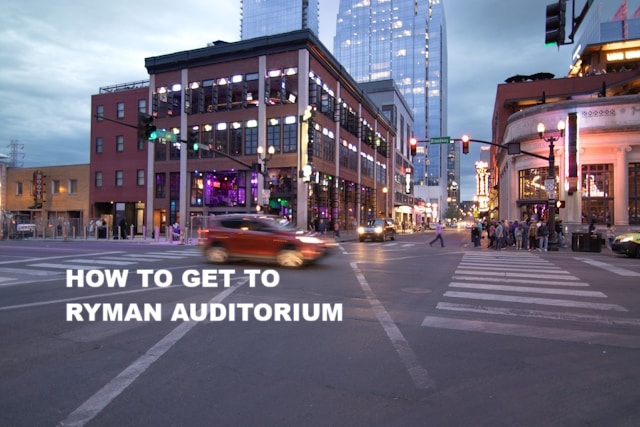
Downtown Nashville is actually very walkable. Anyone staying near Broadway or the Gulch will notice that most of the main spots are close together. The Ryman Auditorium, for example, is only a short walk from Broadway. Five minutes or so. Many of the honky tonks, restaurants, and music venues are packed into the same few blocks, which makes it easy to move around without thinking much about transportation.
During the day there is also a free downtown circulator bus. It stops near a number of hotels and popular attractions and runs through the Broadway area.
For places outside downtown, rideshare is usually the easiest choice. That includes East Nashville, Midtown, and the Grand Ole Opry at the Opry House. Nashville has grown a lot in recent years, and traffic has grown with it. On nights when concerts or events are happening, it is smart to allow a little extra time to get where you are going.
Downtown becomes especially crowded during CMA Fest in June. Hotels fill up, streets get busy, and getting around can take longer than expected. Parking is available near most venues, but garages around Broadway and the Ryman often charge somewhere between $15 and $25 on event nights. If you are staying downtown, many visitors find it easier to leave the car at the hotel and walk or call a rideshare later in the evening.
✈
By Air
Nashville Int’l (BNA) is 15 to 20 min from downtown by rideshare. WeGo Route 18 bus connects the airport to downtown for $2 but takes around 45 minutes.
🚌
Downtown Circulator
Free bus connecting major downtown hotels, Broadway, the Ryman, and main attractions during the day. Good for moving around the core without driving.
🚗
Rideshare
Uber and Lyft are essential for East Nashville, Opry House, and Midtown. Budget extra time on busy show nights and during CMA Fest when downtown traffic is heavy.
🚶
On Foot
Lower Broadway, the Ryman, and most downtown venues are all within easy walking distance of each other. Staying downtown means you can cover most of the main circuit without transport.
🚙
Driving
Manageable outside peak hours. Parking garages near Broadway and the Ryman cost $15 to $25 on event nights. Skip driving downtown on CMA Fest weekends entirely.
🛠
Rental Car
Worth having if you plan to reach Pilgrimage Festival in Franklin, the Opry House, or neighborhoods beyond walking distance. Not needed if your trip is focused on downtown.
Beyond Broadway: Nashville’s Diverse Music Scenes
While downtown draws the largest crowds, Nashville’s most interesting musical evolution happens in surrounding neighborhoods:
East Nashville has become the epicenter for indie, Americana, and alternative artists. Venues like The 5 Spot and The East Room showcase emerging talent nightly. The neighborhood’s 2026 music festival calendar has expanded to include the East Nashville Summer Sound Series, featuring weekly outdoor concerts from May through September.
The Gulch combines upscale dining with sophisticated music venues. The Thompson Hotel’s rooftop bar hosts jazz performances with skyline views, while the Station Inn continues its decades-long tradition of bluegrass excellence despite the neighborhood’s rapid development.
12South has developed as a singer-songwriter haven. New venue Songteller’s Hall opened in early 2026, featuring intimate performances where artists share the stories behind their compositions in a listening room environment.
Germantown’s historic buildings now house several jazz and blues clubs. The Black Cat Jazz Lounge, opened in 2026, features classic cocktails and nightly performances emphasizing Nashville’s often-overlooked jazz heritage.
Iconic Music Venues
Beyond the honky-tonks, these signature venues define Nashville’s live music ecosystem.
2,362 cap. | Downtown
Built as a church in 1892 and known as the Mother Church of Country Music, the Ryman is the most historically significant venue in Nashville and one of the most important in American music. Johnny Cash met June Carter backstage here. Bill Monroe brought Earl Scruggs and Lester Flatt together on this stage and bluegrass was born. Elvis played here and was told to go back to truck driving. The acoustics are exceptional, the pews are original, and there is not a bad seat in the house. The calendar spans country, Americana, rock, R&B, and classical, and the Opry returns here every winter. A show at the Ryman is one of those experiences that is hard to oversell.
Best for: Country, Americana, any genre — unmissable historic room
Grand Ole Opry House
4,400 cap. | Opryland, East Nashville
The longest-running radio show in American history has been broadcasting live from this stage since 1974. The Opry runs every Friday and Saturday night year-round, with a rotating cast of country legends and current artists performing in the same circle of wood cut from the Ryman stage. The format is unlike any other show: multiple artists taking turns through the night, introduced by each other, performing two or three songs before giving way to the next. Backstage tours during the day give you access to the dressing rooms and the history behind the institution.
Best for: Country music, Nashville institution, the Opry experience
Bridgestone Arena
19,000 cap. | Downtown
Nashville’s largest indoor venue and the room that handles the biggest touring acts coming through the city. Home to the Nashville Predators, so it is built to run large events efficiently. The downtown location puts it within easy walking distance of Broadway and the Ryman, making it straightforward to combine with a broader night out in the city. When a major pop, rock, or country act sells out a Nashville date, it is almost always here. The lower bowl sightlines are strong and the production values match the scale.
Best for: Major touring acts, pop, rock, country headliners
Bluebird Cafe
90 cap. | Green Hills
The most important small venue in Nashville and one of the most important songwriter rooms in the world. The Bluebird is where writers perform their own songs in the round, telling the stories behind them to a room of 90 people who are there to listen. Garth Brooks was discovered here in 1987. Taylor Swift performed here early in her career. The no-talking policy during performances is strictly enforced and creates an atmosphere of focus that is unusual for any club. Reservations are required and go fast. Book well before your trip.
Best for: Songwriters in the round, intimate shows, country and folk
Station Inn
The Gulch
Open since 1974 and still the best bluegrass club in Nashville by a significant margin. The room is small, the cover is low, and the booking is serious. It has operated in the same building while the Gulch developed into one of the most expensive neighborhoods in the city around it, and it has not changed its identity to match. Shows run seven nights a week. Sunday nights are particularly strong. If you have any interest in bluegrass or acoustic string music, the Station Inn is non-negotiable.
Best for: Bluegrass, acoustic, seven nights a week
Robert’s Western World
Lower Broadway, Downtown
The most authentic honky-tonk on Broadway and the one locals are most likely to recommend. Started as a western wear shop selling boots and cowboy hats and became a full-time music venue that has held its ground against the growing commercialization of the strip. The house band plays traditional country with no irony and no pop concessions. No cover charge, cold beer, and a fried bologna sandwich that has its own following. The room can get packed on weekend nights but it is worth it. This is what Broadway should feel like.
Best for: Traditional country, authentic honky-tonk, no cover
Third Man Records
Gulch / Nations
Jack White’s record label, record store, performance space, and analog recording studio operating under one roof. The Vault membership program releases exclusive vinyl each quarter, but the space is open to anyone. Live-to-vinyl recording sessions let audiences watch albums being cut in real time, which is something you will not find anywhere else. The Voice-o-Graph booth produces a custom 6-inch vinyl record of your own voice in minutes. The performances held here are small and carefully curated. Worth spending time in even on a day with no show scheduled.
Best for: Record enthusiasts, live-to-vinyl sessions, unique Nashville experience
The 5 Spot
East Nashville
The anchor of the East Nashville music scene and the venue most likely to show you something genuinely new. The 5 Spot books indie, alternative, and Americana acts with a curatorial approach that reflects the neighborhood it sits in: creative, unpretentious, and serious about music. Monday nights run a soul music dance party that has become an institution of its own. Tickets are cheap, the bar is good, and the crowd comes to hear the band. A strong counterpoint to Broadway if you want to see what Nashville sounds like beyond the honky-tonk circuit.
Best for: Indie, Americana, East Nashville scene, Monday soul nights
Music Festivals Worth Traveling For
Nashville’s festival calendar offers perfect anchors for planning music-focused travel:
- CMA Fest (June) – The country music industry’s largest annual gathering transforms downtown into a massive multi-venue celebration with hundreds of artists performing across stages ranging from small club showcases to stadium concerts
- Americana Music Festival (September) – Over 200 performances across dozens of venues highlight the genre that bridges country, folk, blues, and soul traditions
- Nashville Jazz Festival (May) – Growing significantly in 2026 with international performers alongside local talent
- Deep Tropics (August) – An eco-conscious electronic music festival gaining national attention
- Pilgrimage Music Festival (September) – Held in nearby Franklin, this festival offers a more relaxed atmosphere with a diverse lineup spanning rock, Americana, and indie artists
New for 2026, the Nashville Heritage Festival celebrates the city’s diverse musical traditions with particular focus on contributions from Black artists who shaped the city’s sound from blues to R&B to gospel.
Where Music Is Made: Studio Experiences
Nashville offers unique opportunities to glimpse the recording process:
Historic RCA Studio B tours show where countess hit records were created between the 1950s and 1970s. The preserved space allows visitors to stand where Elvis, Dolly Parton, and Roy Orbison recorded signature songs.
Musicians interested in creating their own recordings can book time at Third Man Records’ Voice-o-Graph booth, which produces a one-of-a-kind 6-inch vinyl record in just minutes.
For a more comprehensive experience, Imagine Recordings offers “Session Experience” packages where visitors observe professional recording sessions with top studio musicians at the historic Quonset Hut Studio.
The new Gibson Garage (expanded in 2026) allows visitors to play instruments in custom sound rooms and observe luthiers crafting guitars in the on-site workshop.
Live Music Getaway Travel Tips for Nashville
When planning your music-focused Nashville trip, here are our travel tips for you:
- Timing Considerations – Weekends bring larger crowds to popular venues. Weeknight visits often provide easier access to the most famous spots like Tootsie’s or Robert’s Western World.
- Transportation Strategy – Downtown Nashville is walkable, but rideshare services are essential for reaching outlying neighborhoods with vibrant music scenes like East Nashville. The 2026 expansion of the WeGo bus system has improved public transit options between music districts.
- Ticketing Approaches – While Broadway honky-tonks don’t charge cover fees, they sustain themselves through drink purchases and tip jars. Support the musicians by tipping generously when enjoying free performances.
- Advance Planning – Venues like the Bluebird Cafe and the Grand Ole Opry typically require advance reservations, sometimes months ahead for prime showtimes. The Nashville Tourism Bureau launched a new booking portal in 2026 that consolidates ticket availability across major venues.
- Seasonal Considerations – Summer brings the largest crowds and highest prices. Consider spring or fall visits for milder weather and easier access to popular venues.
Ryman Auditorium Visitor Guides
Where Musicians Shop
Music Square in downtown Nashville houses dozens of instrument shops where everyday visitors mingle with professional musicians:
Gruhn Guitars showcases vintage and high-end instruments that draw collectors and professionals from around the world. Even non-players appreciate the museum-quality displays of rare instruments.
Carter Vintage Guitars similarly offers exceptional instruments with staff who welcome both serious buyers and curious visitors.
Corner Music supplies Nashville’s working musicians with everything from strings to professional audio equipment. Their 2026 expansion added interactive displays allowing visitors to test professional equipment.
Nashville for Music History Buffs
Beyond performances, Nashville offers exceptional music history experiences:
The Country Music Hall of Fame and Museum’s comprehensive exhibits trace the genre’s evolution with artifacts, recordings, and interactive displays. Their 2026 special exhibition “Nashville’s Global Impact” examines how the city’s music influenced artists worldwide.
The Musicians Hall of Fame honors the often-unsung studio musicians who created the Nashville Sound and other signature styles. Their expanded exhibits now include hands-on experiences that let visitors try creating iconic sound elements.
The National Museum of African American Music, opened in 2020 and expanded in 2026, fills a crucial gap in Nashville’s cultural landscape by documenting Black musical contributions across genres from spiritual to jazz, R&B, hip-hop and beyond.
The Nashville Experience: Key Takeaways
Nashville deserves its Music City nickname not just for its history but for the living, evolving musical ecosystem that continues to thrive in 2026. From commercial country powerhouses to independent artists pushing boundaries, the city embraces its musical identity across venues large and small. When planning live music getaways, Nashville offers unmatched concentration and variety. The ability to experience multiple outstanding performances in a single evening across different genres and settings.
What sets Nashville apart isn’t just the quantity of music but its integration into daily life. Here, the person serving your coffee might be performing that night, the songwriter at the next table might have written a hit you know by heart, and conversations about music flow.
FAQs
Is Broadway worth the crowd?One night, yes. More than that and it starts to wear on you. There’s nothing else like it on a Saturday night: every bar has a live band, no cover charges on most of them, the neon is loud, the whole street smells like bourbon and fried chicken. You have to do it. But it’s built for the tourist version of Nashville, and if that’s the only Nashville you see you’ll leave thinking the city is a theme park. It’s not. East Nashville has a completely different feel, quieter and more local. The Bluebird Cafe in Green Hills is where the music actually matters in a way it doesn’t always on Broadway. Go to Broadway first, then go deeper.
How do I get tickets to the Bluebird Cafe?Book through their website as soon as you know your dates. I’ve shown up without a reservation and gotten in, but I’ve also stood outside while they turned people away, and I’ve learned my lesson. Weekend shows sell out weeks ahead. Midweek is easier to get into. The room seats around 90 people so there’s no bad seat, and the listening room format means the audience goes quiet when the music starts, which sounds simple but makes the whole experience feel different from a regular venue. Arrive before your reservation time, order something, tip well, and don’t talk during the songs.
Which neighborhood should I stay in?Downtown if you want to walk to the Ryman and be on Broadway without dealing with Ubers every night. The Gulch is my preference, slightly quieter but still walkable to everything that matters downtown, and the hotel options are strong. East Nashville is worth it if you plan to spend evenings at places like The 5 Spot, American Legion Post 82, or Dino’s, and you want a more local experience than the downtown hotels give you. 12South is great for the food scene and close to the Bluebird. First trip, I’d say Gulch. Second trip, East Nashville.
Is Nashville only for country music fans?I get asked this constantly. No. The Ryman books rock, soul, folk, and Americana alongside country and has for years. Third Man Records runs shows that lean toward punk, garage, and the experimental end of things. Basement East and Brooklyn Bowl Nashville both book strong touring rock acts. The Station Inn is the best bluegrass room I’ve been to anywhere, full stop. The Americana Music Festival in September covers everything from singer-songwriter to roots rock to alt-country and pulls in people who’ve never been interested in mainstream country in their lives. Come for the music, whatever kind you’re into.
When should I go to avoid the worst crowds?CMA Fest in June is the busiest week of the year. Hotel prices triple, downtown is packed, and you need to book months out. If CMA Fest is the reason you’re going, plan way ahead. If you want a great Nashville trip with room to breathe, September during Americana Fest is my answer. The summer heat is breaking, the crowds are manageable, and the music is serious. Late October and November are underrated: good weather, lower rates, and the venue calendar stays full. January through February is the quietest stretch with the best hotel deals.